
Need a quote? Call us
0933 337 775
Get a Quote
Engineered for global brand merchandise, licensed character releases, and demanding Japanese retail standards.
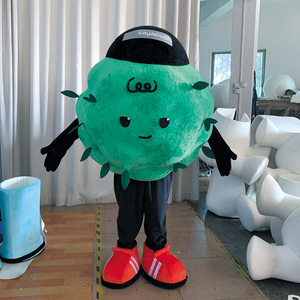
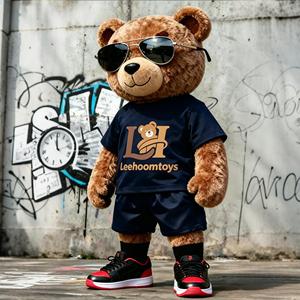
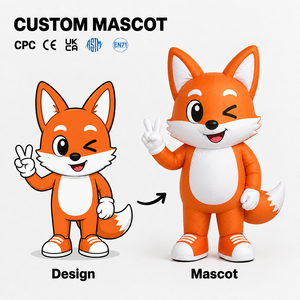
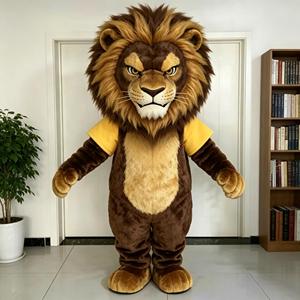
Navigating non-tariff barriers requires rigorous material control, mechanical safety engineering, and chemical safety documentation. Here is how our export manufacturing framework protects global importers.
To place stuffed toys on the European Economic Area (EEA) market, compliance with the EU Toy Safety Directive 2009/48/EC is mandatory. Our production lines implement rigorous verification protocols for every batch:
Exporting custom plush toys to Japan demands compliance with the Japan Toy Safety Standard (ST Standard) established by the Japan Toy Association (JTA), alongside the strict Food Sanitation Act (Law No. 233) enforced by the Ministry of Health, Labour and Welfare (MHLW) for infant toys.
| Compliance Metric | EU CE Standard (EN 71) | Japan ST Standard (ST-2016) | Our Factory Production Benchmark |
|---|---|---|---|
| Seam Pull Strength | 70 N - 90 N depending on age | 70 N tension test | ✓ 100 N Exceeded (Reinforced Stitching) |
| Formaldehyde Limit | < 75 mg/kg (REACH) | Undetectable (< 0.05 Abs for infants) | ✓ Zero Formaldehyde Standard |
| Metal Inspection | Recommended AQL Spot Checks | Mandatory 100% Scan (Japan Retail) | ✓ 100% Dual-Pass 0.8mm Ferrous Scanner |
| Heavy Metals (Migration) | 19 Heavy Metals (EN 71-3) | Heavy Metals Elution (ST Part 3) | ✓ Fully Certified by SGS / Intertek |
| Small Parts Hazard | Small Parts Cylinder Test | Small Parts Gauge Verification | ✓ Micro-Embroidery Option Available |
Understanding regional consumer behaviors, retail packaging requirements, and commercial application environments.
Japanese amusement arcades (SEGA, Namco, Taito) require specific weight distribution, tactile softness, and high aesthetic fidelity for crane game plush goods. Our lightweight PP cotton stuffing and precision pattern engineering ensure optimized capture dynamics and vivid appeal.
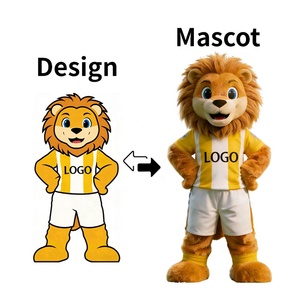
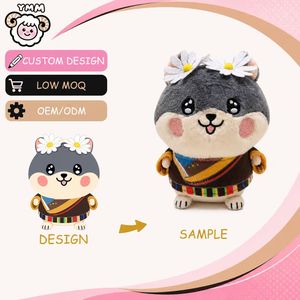
Local Japanese prefectures, corporate brands, and sports teams rely on regional mascot dolls ("Yuru-chara") for public relations. We replicate complex 2D anime illustrations into high-precision 3D plush forms with custom costume detailing and embroidered badges.
European buyers prioritize sustainable fabrics, OEKO-TEX certified organic plush, and elegant retail packaging. Our production facility provides GRS (Global Recycled Standard) plush covers made from recycled PET bottles with plastic-free hangtags.
From limited-edition anime conventions (Comiket, Japan Expo) to museum gift shops, we manufacture collector-grade plush dolls featuring premium crystal ultra-soft BOA fabric, jointed limbs, and high-density foam internal skeletons.
Stay competitive by integrating modern material engineering, zero-waste manufacturing, and custom logistics solutions.
Both Japanese and European consumers are demanding eco-responsible products. We offer 100% GRS-certified recycled polyester plush fabric derived from post-consumer plastic bottles, reducing carbon footprint by up to 40% per production run.
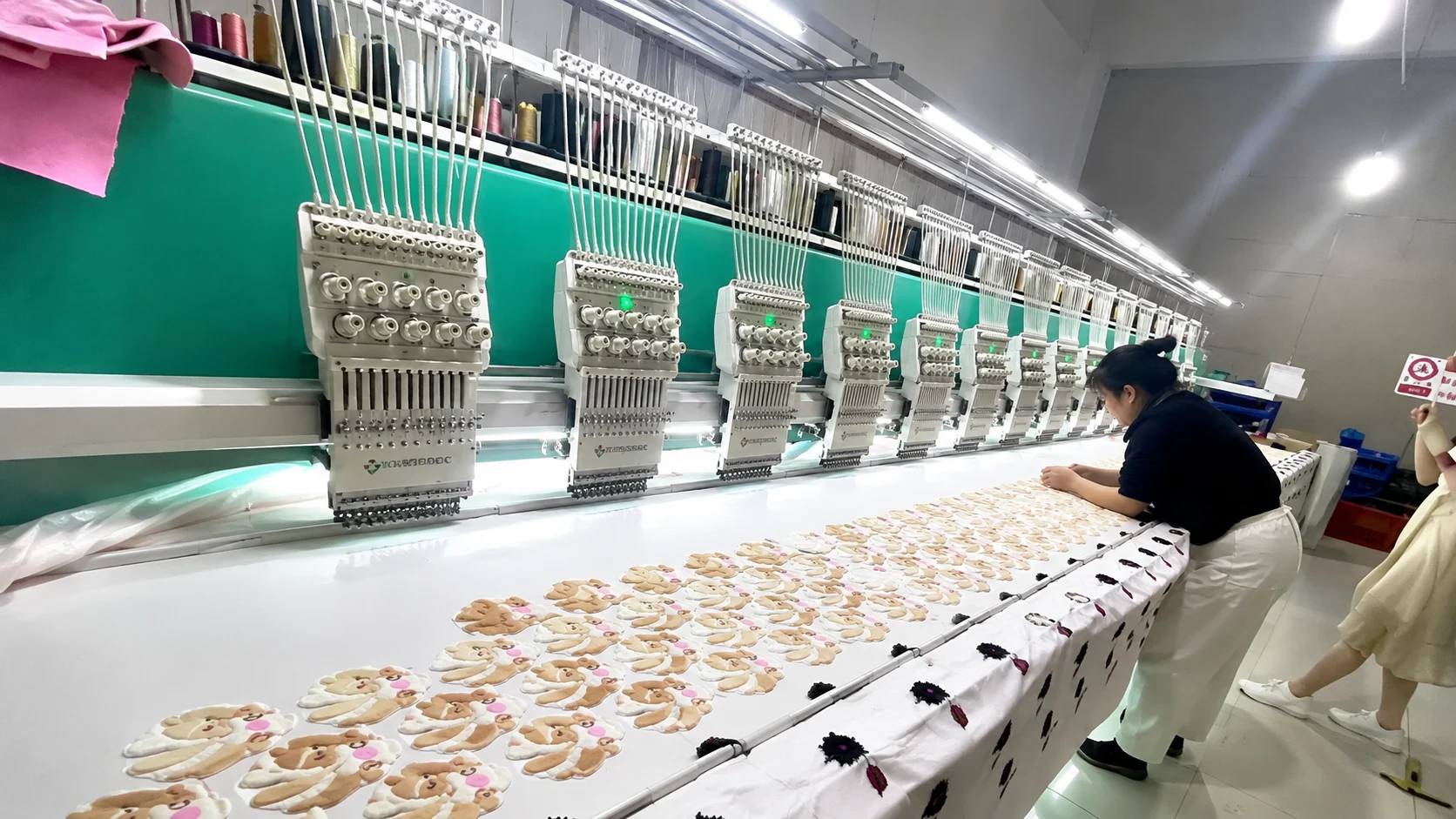
To eliminate choke risks and achieve the beloved Japanese Kawaii facial expressiveness, Japanese buyers favor high-density micro-embroidery (up to 12,000 stitches per focal point) over traditional snap-in plastic eyes.
With ocean freight costs fluctuating, we utilize automated industrial vacuum compression equipment to compress plush volume by up to 70% without damaging fiber resiliency or causing permanent fabric creasing.
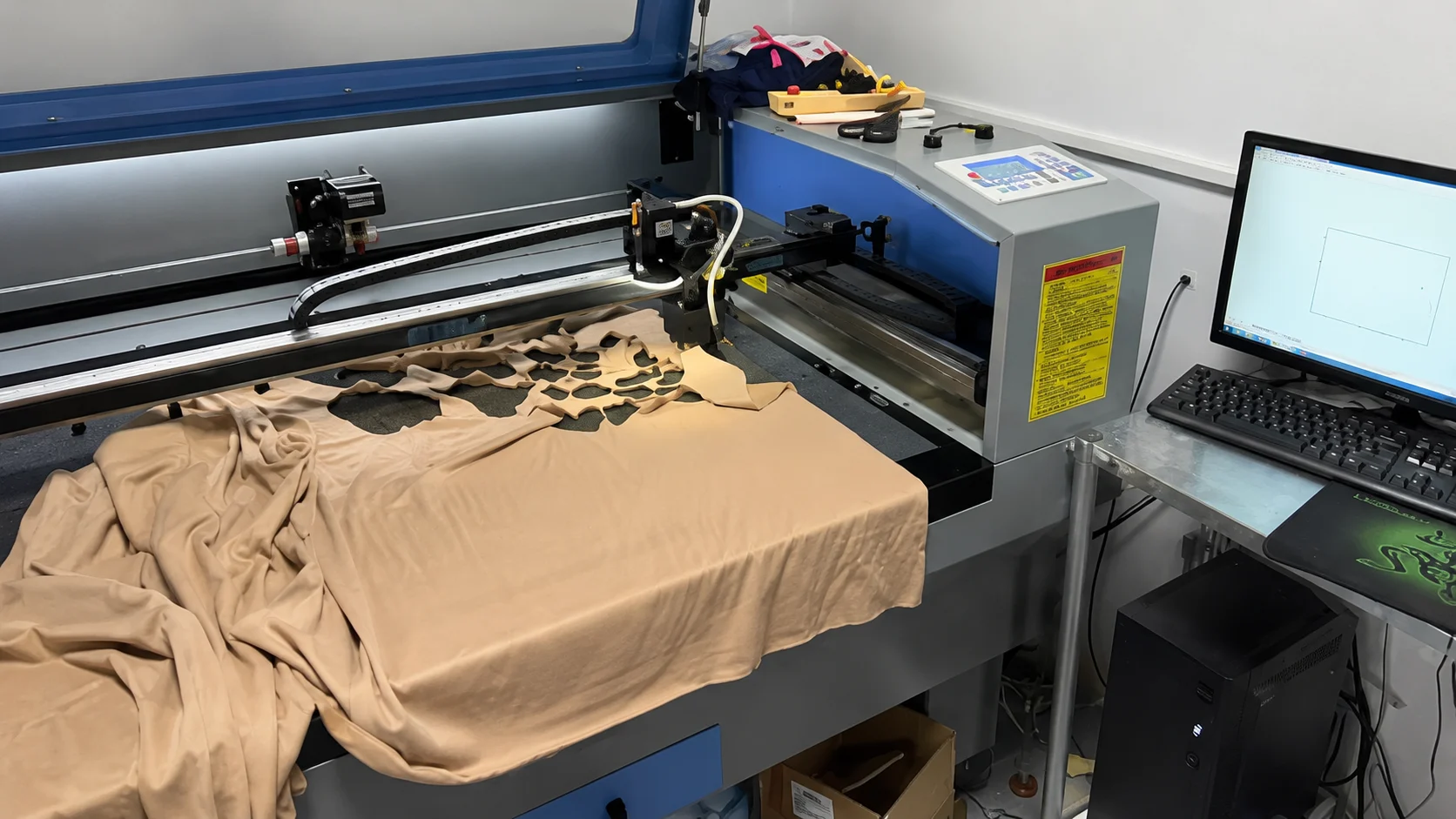
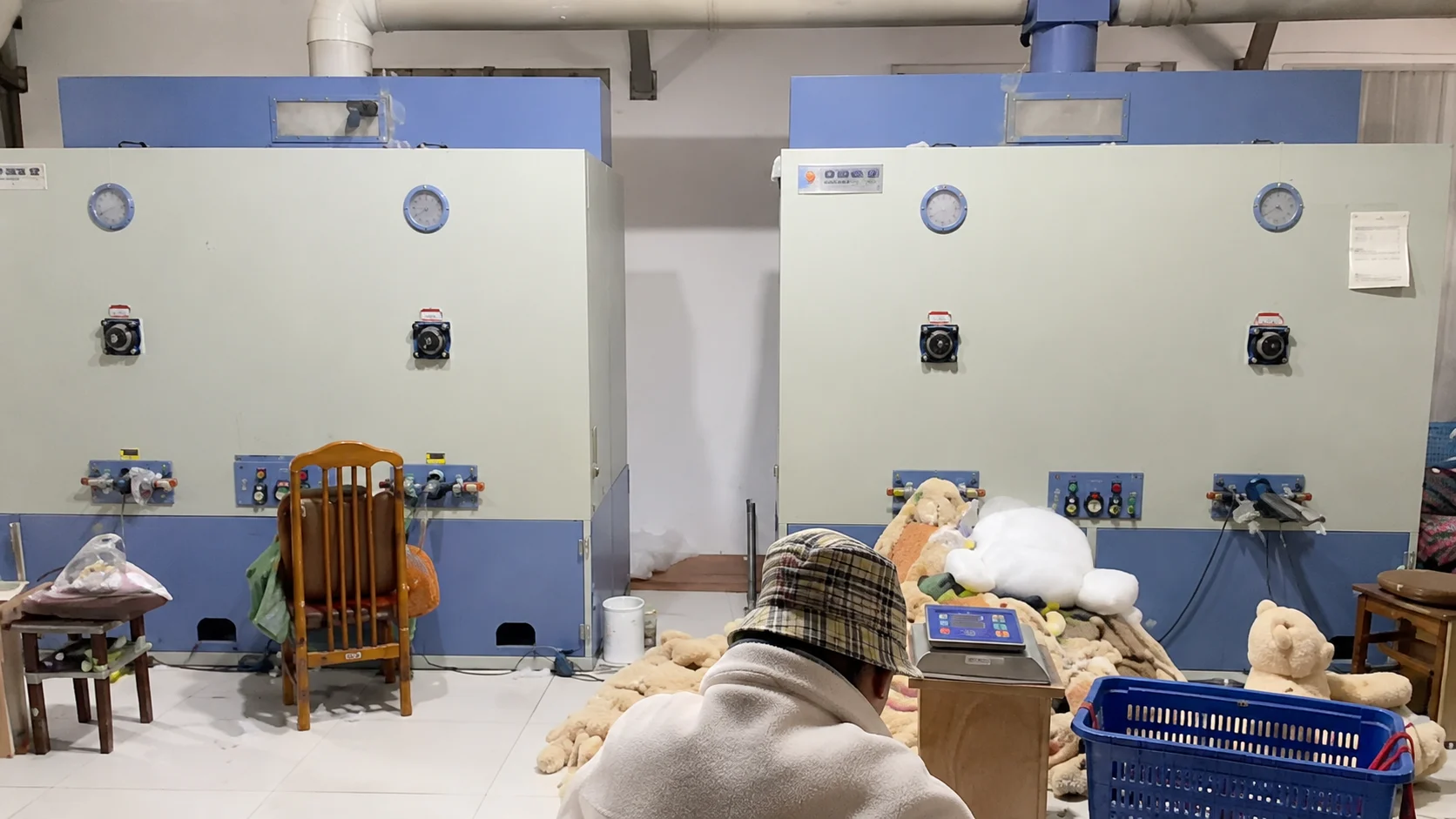
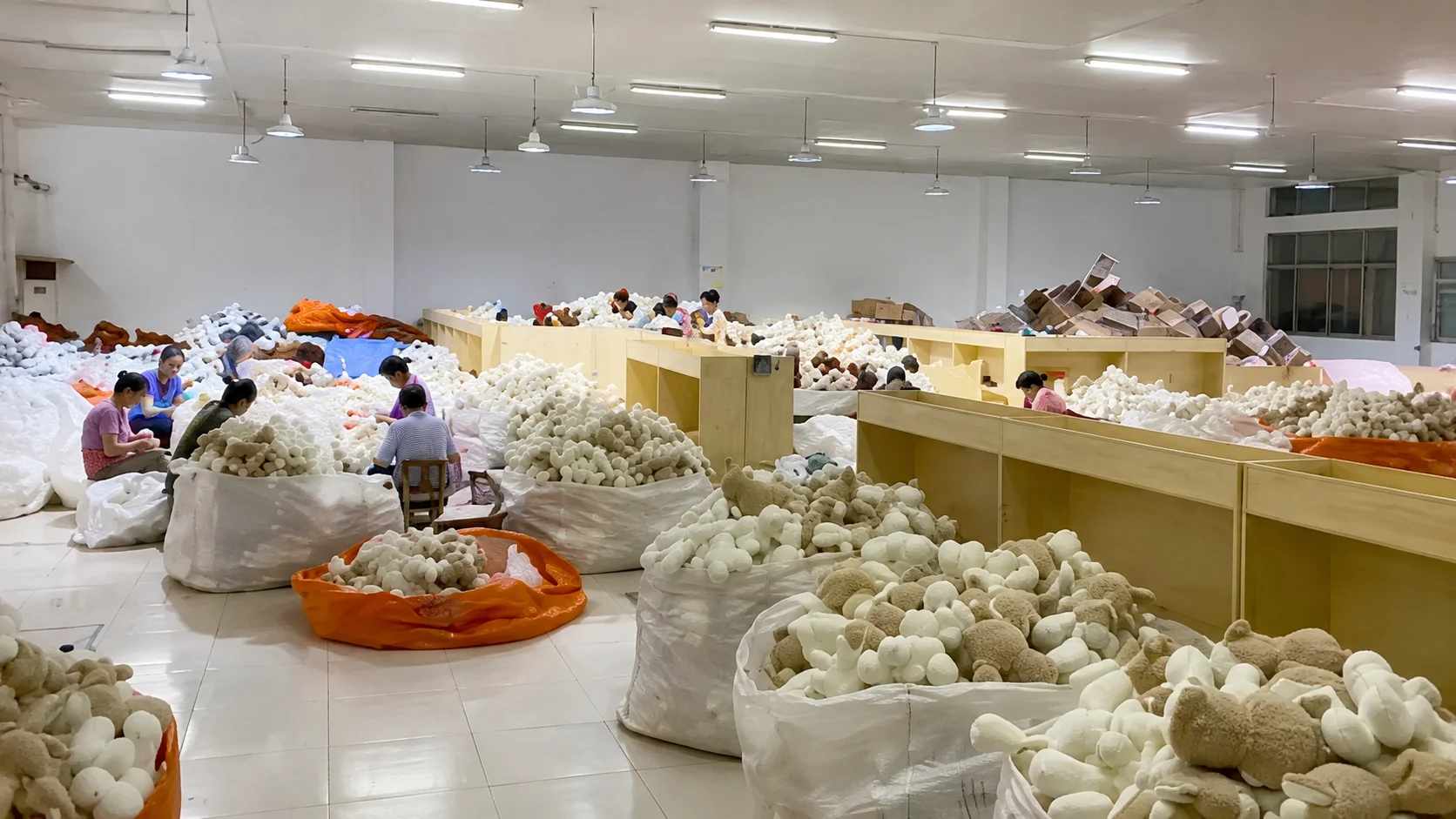
Operating 20,000+ m² of modern workshops with automated fabric cutting, high-speed embroidery machines, and stringent quality control checkpoints.




Everything you need to know about international compliance, custom sampling, needle testing, and logistics to Japan & Europe.
We provide full third-party test reports from accredited laboratories (such as SGS, Intertek, and TÜV Rheinland) covering EU EN 71-1, 71-2, 71-3, REACH Annex XVII, as well as Japan ST Mark (ST-2016 Part 1, 2, 3) and the Japanese Food Sanitation Act for infant items. All certificate documentation is dispatched with shipping bills of lading.
Japan customs enforces zero-tolerance for broken needles. We operate a strict metal-control system: broken needle blades must be physically matched on a log before replacement needles are issued. After final packing, 100% of products pass through an automated dual-channel conveyor needle detector set to 0.8mm ferrous sphere sensitivity. Inspection certificates are included with each lot.
Our standard production MOQ starts at 500 pieces per design, which optimizes material dyeing and cutting costs. Paper patterns and initial 3D plush samples are completed within 5 to 7 working days upon approval of character artwork sheets.
Yes. We offer Global Recycled Standard (GRS) certified plush fabrics, RPET velvet, and 100% recycled polyester fiberfill. Transaction Certificates (TCs) can be issued to verify material traceability from ocean/post-consumer plastic recycling plants to the finished plush toy.
We execute strict bilateral Non-Disclosure Agreements (NDAs) prior to receiving design files. Production molds, embroidery punch files, and paper patterns are securely archived in our encrypted design repository and will never be reused or shared with third parties.
We support a full range of Incoterms including FOB, CIF, DAP, and DDP (Delivered Duty Paid). For Japanese buyers, we provide direct door-to-door delivery handling customs clearance, Japanese consumption tax (JCT) processing, and local port drayage to warehouses across Japan.
Partner with an audited direct manufacturer capable of delivering flawless compliance, precise 3D prototyping, and uncompromised quality.
Get a Quote