
Need a quote? Call us
0933 337 775
Get a Quote
Direct factory recommendations engineered with ultra-soft elastane velvet, slow-rebound foam, and precision 3D embroidery for global export brands.
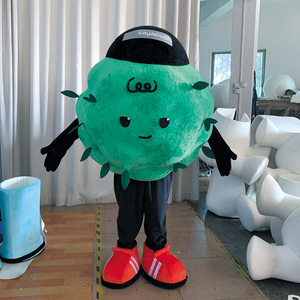
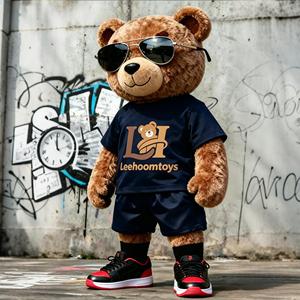
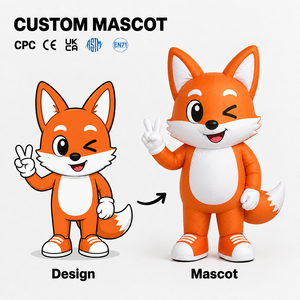
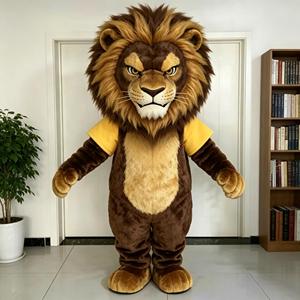
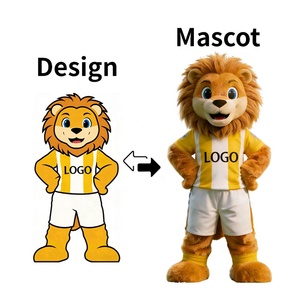
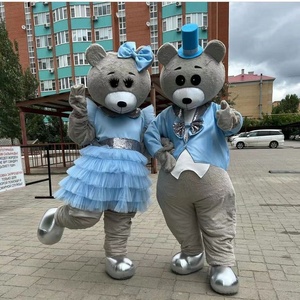
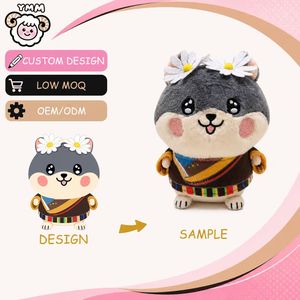
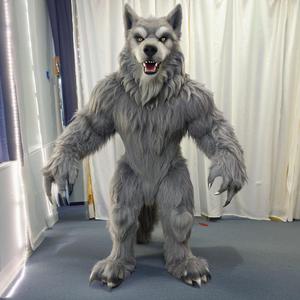
The global plush toy market has undergone a dramatic structural shift over the past three years. Driven by the explosive surge in demand for tactile stress-relief merchandise, sensory wellness toys, and anime-derived IP collectibles, traditional stuffed animals have rapidly evolved into hybrid squishy plushies combining memory polyurethane (PU) cores, micro-bead matrices, and 4-way stretch spandex covers. As the epicenter of global toy manufacturing, China’s industrial clusters—concentrated in Guangdong (Dongguan, Chenghai), Jiangsu (Yangzhou), and Shandong (Qingdao)—produce over 75% of the world’s exported squishy plush inventory.
For global importers, retail chains, and IP licensors, navigating China’s squishy plush supply chain requires more than basic price negotiation. It demands an in-depth understanding of material chemistry, slow-rebound foam densities, ultrasonic bonding capabilities, and international safety compliance frameworks. Leading OEM/ODM manufacturers are no longer merely assembly plants; they are advanced material integrators capable of converting complex vector artwork into ultra-soft, ergonomically squishable consumer products.
Integrated slow-rebound memory foam inserts (35–65 kg/m³) engineered for optimal tactile feedback and shape retention after 50,000+ compressions.
Ultra-fine micro-denier spandex fabrics (85% Nylon / 15% Elastane) providing velvet-soft touch coupled with 200% mechanical elasticity.
Environmentally sealed inner bladders using food-grade TPR and odorless polyols certified under REACH, EN71-3, and US CPSIA rules.
This whitepaper serves as an authoritative B2B procurement guide for corporate buyers looking to source squishy plush products from premier Chinese factories. We analyze material technicalities, future procurement trends, quality assurance protocols, and critical factory evaluation metrics.
The squishy plush segment is undergoing rapid innovation, separating tier-1 export factories from low-cost workshops. Buyers aiming to achieve premium retail pricing must understand the material specifications driving the next generation of plush products.
Traditional squishy toys rely entirely on memory foam molded inserts, which can feel heavy and costly to transport. Modern R&D has introduced hybrid dual-core internal architecture. The center consists of a molded slow-rebound PU core, surrounded by an outer layer of 7D/15D conjugated hollow siliconized polyester fiberfill. This hybrid engineering delivers the satisfying slow-rebound squish of memory foam while reducing product unit weight by 35%, dramatically slashing ocean and air freight expenses.
For plush keychains, mini stress balls, and desktop mascots, factories now utilize encapsulated food-grade EPS (Expanded Polystyrene) micro-pellets (0.5–1.0mm diameter) housed inside leak-proof TPU inner bladders. Combined with high-stitch-density double-seamed outer fabrics, this prevents pellet leakage—a common defect in low-end plush products—ensuring compliance with international pull-test standards (min 70 Newtons).
| Plush Category | Inner Material Component | Outer Fabric Spec | Rebound Time (Sec) | Target Safety Certification |
|---|---|---|---|---|
| Ultra-Slow Rebound Squishy | 45 kg/m³ Molded PU Memory Foam | 280 GSM Super-Soft Spandex | 3.5 – 5.0s | EN71-1/2/3, ASTM F963, REACH |
| Sensory Micro-Bead Plush | 0.5-0.8mm Virgin EPS Micro-pellets | Nylon-Elastane 4-Way Stretch | Instant (Tactile Flow) | CPSIA Total Lead, Phthalates |
| Eco-Friendly Hybrid Squishy | Recycled GRS Polyfill + Bio-PU Core | RPET Recycled Crystal Velvet | 1.5 – 2.5s | GRS (Global Recycled Standard) |
| Commercial Mascot Suit Foam | High-Density EVA / Carved Bubble Foam | Short-Pile Plush / Synthetic Fur | Rigid / Elastic Memory | Flame Retardant (BS 5852) |
Environmental, Social, and Governance (ESG) mandates from Western retailers (such as Target, Carrefour, and Disney) have pushed Chinese exporters to adopt Global Recycled Standard (GRS) supply chains. Top China squishy plush exporters now offer RPET (Recycled Polyethylene Terephthalate) fabrics derived from post-consumer plastic bottles, paired with plant-based polyol memory foams that minimize reliance on petroleum-derived polymers.
Sourcing squishy plushies from China is shifting from transactional buying to strategic OEM/ODM partnerships. Importers seeking long-term competitive advantages must align with factories adapting to the following structural trends:
With global ocean freight rates remaining volatile, vacuum compression technology has become paramount. Leading Chinese factories utilize high-tonnage industrial vacuum sealers to compress squishy plush items by up to 70% to 85% of their uncompressed volume. Advanced memory foam cores fully recover their original shape and density within 15 minutes of unbagging, drastically cutting CBM metrics and shipping costs per unit.
Traditional plush sampling took 14 to 21 days due to manual pattern cutting and physical sculpting adjustments. Leading exporters now deploy 3D CAD plush pattern design software connected to automated laser cutters. Digital 3D renders can be finalized in 48 hours, with physical prototypes delivered in 5 to 7 days, accelerating time-to-market for retail campaigns.
To eliminate seam bursting under repeated heavy compression, premier Chinese exporters are transitioning from traditional needle stitching to ultrasonic seam welding for internal polyurethane and gel bladders. Ultrasonic welding fuses synthetic fibers at a molecular level, establishing leak-proof seals capable of withstanding extreme pressure testing.
Regulatory scrutiny in North America and Europe requires complete supply chain transparency. Modern exporters provide lot-level traceability for all raw materials—from raw polyurethane polyols to embroidery threads—ensuring seamless compliance with social compliance audits including BSCI, SEDEX (SMETA), and ICTI CARE.
Selecting the right manufacturing partner involves evaluating specific technical and operational capabilities. When vetting Chinese squishy plush suppliers, procurement managers should verify the following five critical criteria:
Factories owning their foam formulation lines offer better density consistency, lower unit costs, and tighter control over non-toxic chemical formulas.
100% of finished plush items must pass dual-head conveyor needle detection machines (detecting metal particles ≥ 0.8mm) before packaging.
Look for factories with internal testing labs capable of performing seam strength pull tests, torque tests, flammability checks, and washability trials.
Our manufacturing facilities combine over 20 years of custom plush production experience with automated foam-molding equipment, computerized multi-head embroidery machinery, and strict ISO9001 quality management systems. We provide comprehensive OEM/ODM solutions tailored to international importers, brand owners, and promotional distributors.
Below are expert answers to common technical, logistics, and pricing questions raised by global plush toy buyers.
Partner with China's leading OEM/ODM squishy plush factory. Send us your design vector, reference sketch, or tech pack to receive a complimentary 3D evaluation and fast B2B quote within 24 hours.
Get a Quote