Executive Industry Whitepaper
Evaluating the World’s Top 10 Embroidered Plush Factories
The global custom plush toy and branded mascot market is undergoing a structural technical shift. B2B buyers—ranging from multinational entertainment studios and retail giants like Disney and Target to specialized promotional agencies—are moving beyond basic unit cost parameters. Procurement decisions are now driven by needle-level stitch density, non-toxic material certifications, automated pattern digitizing, and regional supply chain diversification.
Finding a top-tier embroidered plush factory requires auditing specialized technical capabilities. Embroidery on plush pile (such as Crystal Super Soft Velboa, Minky, or Coral Fleece) presents unique physical challenges: without precise digitizing software calibration, stabilizing backings, and high-tensile polyester threads, stitches sink into the nap, leading to frayed text, irregular logo geometry, and seam bursting under tension.
20,000+ m²
Production Footprint
State-of-the-art lean manufacturing workshops in Vietnam.
50,000+
Daily Unit Capacity
High-speed Tajima multi-head computer embroidery automation.
100%
Metal Detection
Dual-pass Japanese Hasima needle detection safety protocols.
50+
Export Markets
FOB, DDP, and DAP compliance for US, EU, and APAC logistics.
Factory Evaluation Benchmark Matrix
Below is a comparative evaluation framework reflecting the core criteria used by enterprise procurement officers to score leading plush toy manufacturers:
| Evaluation Metric |
Tier-1 Factory Standard (ZOZO Plush Benchmark) |
Standard Wholesale Supplier |
B2B Sourcing Impact |
| Embroidery Precision |
Tajima/Barudan 15-needle auto-digitized heads; ±0.1mm tolerance |
Generic single-head machines; loose stitch density |
Prevents logo distortion; ensures crisp text under 5mm font size. |
| Fabric & Thread Safety |
OEKO-TEX Standard 100 Class I, Virgin A-Grade 7D Polyfill |
Recycled off-cuts, uncertified dye fabrics |
Guarantees compliance with EN71-3, REACH, and ASTM F963. |
| Needle Safety Protocol |
100% Hashima Dual-Head Metal Detector scanning (0.8mm Fe) |
Manual visual inspection or single-pass checking |
Eliminates zero-tolerance product liability and recall risks. |
| Auditing & Compliance |
BSCI, ICTI CARE, ISO9001:2015, Disney FAMA certified |
Uncertified or third-party subcontracting |
Fulfills corporate ESG standards for ethical supply chains. |
| Rapid Prototyping |
3D CAD pattern modeling + 7–10 days sample delivery |
21–30 days manual paper drafting iterations |
Accelerates time-to-market for seasonal retail rollouts. |
Technical Deep Dive
Engineering Principles of High-Precision Plush Embroidery
Embroidery on plush textiles is fundamentally different from flat garment embroidery. The loft and pile height of plush materials require specialized digitizing rules to maintain structural integrity and color contrast. When sourcing custom embroidered teddy bears, mascot plush dolls, or promotional keychains, enterprise buyers must evaluate four key engineering pillars:
1. Digitizing & Stitch Density Calibration
Over-stitching causes fabric puckering and stiff stiffness, while under-stitching causes thread sinking. Top manufacturers employ underlay stitching techniques (edge-walk and lattice grid underlays) combined with water-soluble Solvy topping films to float the embroidery crisp atop plush fur.
2. Thread Selection & Tensile Strength
Using 100% Trilobal Polyester threads (such as Madeira Polyneon or Isacord) guarantees ultra-high tensile strength to resist high-speed industrial sewing (up to 1,200 RPM) while providing chlorine-bleach resistance and bright optical luster across custom Pantone shades.
3. Appliqué & 3D Puff Integration
For large-scale mascot branding or high-contrast logos, direct Tatami fill stitching can increase unit weight and stiffness. Premier suppliers utilize laser-cut fabric appliqués bordered by high-density satin border stitches, reducing stitch counts by up to 60% while elevating visual tactile appeal.
Plush Material Compatibility Chart
Choosing the correct fabric base directly impacts embroidery quality and product durability. Refer to our engineering guide for optimal pairing:
| Plush Material Type |
Pile Height Range |
Recommended Embroidery Technique |
Best Application Use Case |
| Crystal Super Soft Velboa |
1.0mm – 1.5mm |
Direct Satin Stitching & Micro-Tatami |
Detailed facial expressions, plush keychains, small dolls |
| Minky Plush / PV Fleece |
2.0mm – 3.5mm |
Water-Soluble Film Topping + Lattice Underlay |
Classic teddy bears, corporate promotional plush, baby toys |
| Long-Pile Faux Fur / Coral |
5.0mm – 15.0mm |
Laser-Cut Felt Appliqué with Satin Border |
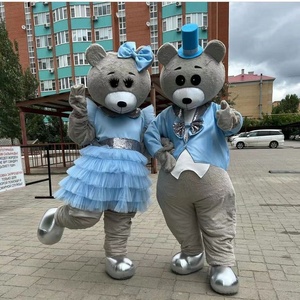
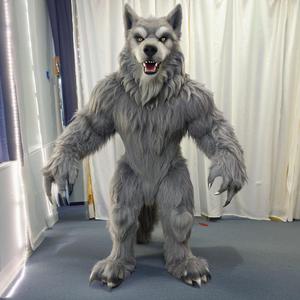
Mascot character suits, oversized display plush, animal mane |
| PU Leather / Specialty Felt |
Flat Napped |
3D Foam Puff Embroidery |
Mascot shoes, branded logo badges, accessory elements |
Procurement Trends 2026–2030
Future Directions in Global Custom Plush Manufacturing
As retail supply chains pivot toward regional resilience, zero-waste manufacturing, and smart consumer experiences, plush sourcing is undergoing rapid evolution. Enterprise buyers who understand these emerging trends gain a significant competitive advantage in risk mitigation and brand equity.
1
Sustainable RPET Fabrics
Transitioning from virgin polyester to Global Recycled Standard (GRS) certified plush fabrics derived from post-consumer recycled plastic bottles.
2
Smart NFC/RFID Integration
Embedding washable RFID tags or NFC micro-chips inside embroidered patches to enable digital authentication and metaverse gaming connectivity.
3
Southeast Asian Hubs
Diversifying sourcing footprints from East Asia into Vietnam and Southeast Asia to optimize tariff structures and reduce import duty overheads.
4
3D Digital Prototyping
Adopting digital CAD software to visualize plush pattern tension and embroidery placement prior to physical sample cutting, saving weeks in sampling.
5
Automated Needle QC
Deploying fully automated X-ray and dual-head electromagnetic detectors to ensure 100% compliance with strict child safety legislation.
Factory Profile & Strengths
Why Partner with ZOZO Plush Manufacturing
With over two decades of OEM/ODM plush manufacturing experience, ZOZO Plush has established itself as Vietnam’s premier custom plush supplier for global brands, retail chains, and promotional distributors. Operating a modern 20,000+ square meter manufacturing facility staffed by over 500 master craftsmen and 30+ dedicated Quality Assurance engineers, we deliver end-to-end plush solutions from initial napkin sketch to container shipping.
Direct Factory Pricing — Zero Middlemen
By controlling raw material sourcing, automated embroidery digitizing, pattern cutting, stuffing, and packaging in-house, we eliminate trading company markups, delivering up to 15–25% cost savings straight to your bottom line.
International Compliance & Audit Certified
Our facilities strictly adhere to international ethical working standards and environmental regulations. We maintain up-to-date factory audits for BSCI, ICTI CARE, ISO9001:2015, and Disney FAMA.
End-to-End Quality Control System
Every plush batch undergoes four rigorous inspection gates: raw material fiber testing, semi-finished seam pull-strength testing (exceeding 70N force requirement), 100% metal detector scanning, and final pre-shipment AQL 2.5 inspection.
Our 6-Step Turnkey Manufacturing Workflow
1
1. Concept & Brief
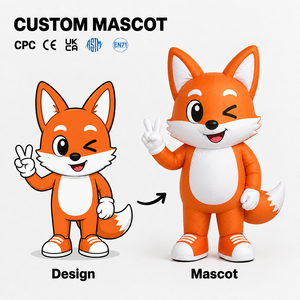
Submit 2D vector artwork, character sheets, or plush ideas.
2
2. 3D Pattern & Sample
Master pattern makers craft your sample within 7–10 days.
3
3. Material Sourcing
Custom dyeing fabric to exact Pantone colors & safety testing.
4
4. Automated Stitching
High-speed computer embroidery & precision shell sewing.
5
5. Filling & Metal QC
PP cotton blow-filling + dual Hashima needle detection.
Sourcing Guidance
Frequently Asked Sourcing Questions
Everything you need to know about custom plush MOQs, lead times, safety certifications, and international shipping logistics.
What is your Minimum Order Quantity (MOQ) for custom embroidered plush?
Our standard B2B production focus starts from 500 pieces per design for custom plush toys, mascots, and stuffed dolls. This threshold enables us to optimize high-speed computerized embroidery setups, fabric dye lot minimums, and bulk polyfill stuffing efficiency, passing the cost savings onto your business. Smaller pilot production runs or high-value event mascot suits can be evaluated individually upon inquiry.
What is the lead time for sampling and mass production?
Sample development typically takes 7 to 10 working days after design artwork approval. Mass production lead times generally range between 30 to 45 calendar days depending on order volume, fabric dye customization, embroidery complexity, and packaging specifications. Clear production milestones and progress photos are provided at every stage prior to shipment.
What safety testing standards do your plush products comply with?
All plush materials, embroidery threads, plastic eyes, and polyester fillings used in our factory are chosen to meet or exceed regional destination safety rules. We routinely coordinate third-party laboratory testing (ITS, SGS, BV, TUV) for compliance with EN71 Parts 1, 2, & 3 (Europe), ASTM F963 (USA), CPSIA, CE, and REACH. Safety documentation and certificates are issued in your company’s name upon request.
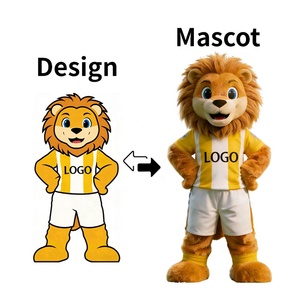
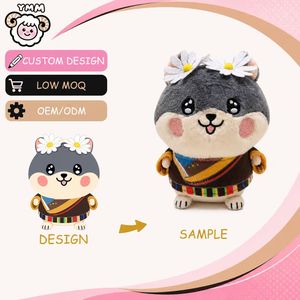
How do I convert my 2D logo or artwork into a 3D plush sample?
Simply provide us with your vector design files (.AI, .EPS, .PDF) or high-resolution images alongside desired dimensions and fabric preferences. Our engineering team converts your 2D artwork into digital embroidery files (.DST/.EMB format) and 3D paper patterns. We present a physical sample for your review and physical sign-off before commencing full mass production.
What international shipping terms (Incoterms) do you support?
We provide full global logistics assistance across flexible Incoterms including FOB (Free on Board), CIF, DAP (Delivered at Place), and DDP (Delivered Duty Paid). Our export team coordinates ocean freight, air express shipments, customs clearance documentation, and inland trucking directly to your warehouse across North America, Europe, Australia, and Asia.