Food And Beverage Plush Toys turn familiar snacks and drinks into soft, expressive companions. A smiling strawberry, bubble tea cup, or slice of toast can feel playful without needing a complicated story. That instant recognition matters. Buyers often choose these toys as gifts, desk decorations, travel companions, or small collectibles. Their bright colors and friendly faces also make them easy to photograph and share. A plush ramen bowl with looped noodles or a peach-shaped pillow gives everyday food a tactile, collectible form. Still, cuteness alone does not explain every purchase.
For many shoppers, the appeal combines nostalgia, humor, and the comfort of a soft object. A plush croissant may recall a favorite bakery, while a tiny juice carton can bring a lunchbox theme to life. Size, stitching, fabric feel, and clear care instructions can influence whether an item remains enjoyable beyond the first glance. Without handling a toy, buyers can look for material details, close-up photos, and well-finished seams, though these clues cannot guarantee long-term durability. Collectors may value a coordinated set; gift buyers may care more about personality and price. Preferences vary, and trends can fade. Not every novelty becomes a keepsake. This article explores why Food And Beverage Plush Toys attract buyers, which design details support their appeal, and where expectations deserve a closer look. It also considers how quality, audience, and practical use shape lasting value.
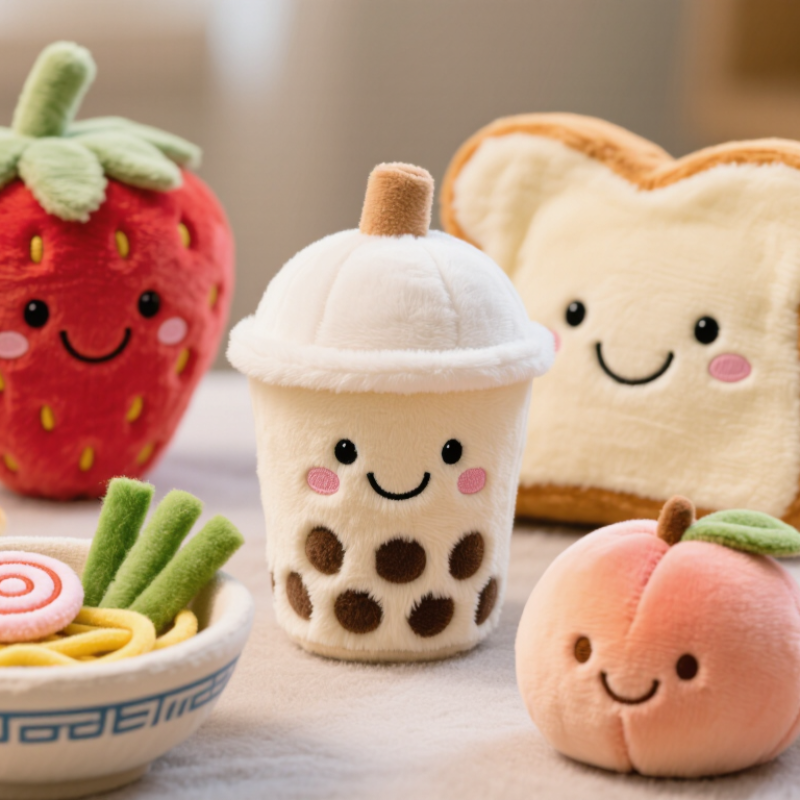
Food and beverage plush toys are soft, stuffed objects designed to resemble familiar snacks, meals, or drinks. A toy might look like a strawberry, a slice of toast, a bowl of noodles, or a tiny takeaway cup. The shape and color make the subject easy to recognize, while stitched details can suggest seeds, frosting, bubbles, or a lid. Some designs include a simple face; others keep the look closer to the real item. They are not edible, of course. Just for play or display.
These toys are usually made from fabric filled with soft fiber, though materials and construction vary by maker. A well-finished piece should have secure seams, evenly distributed stuffing, and details that feel firmly attached. Small parts deserve a closer look, especially when a toy is intended for a young child. Care labels also matter, since some fabrics need gentle spot cleaning rather than machine washing. The category has fuzzy edges: a plush cup may be treated as a toy, a cushion, or a novelty gift. That ambiguity is part of its charm, but it can make choosing the right size and use less obvious than expected.
A plush strawberry, dumpling, or cup of boba needs little explanation. Familiar outlines help shoppers recognize the object before they notice stitching, fabric, or facial details. That quick recognition can make a toy feel friendly on a crowded shelf and easy to choose as a small gift. The appeal is visual, too: a round bun, green leaf, or embroidered tapioca pearls give buyers clear details to notice and touch.
Grand View Research estimated the global stuffed and plush toys market at about US$10.7 billion in 2023, with projected growth through 2030. This figure covers plush toys broadly, not food-shaped designs specifically, so it should not be read as proof of demand for one theme. Still, familiar food forms offer designers an accessible starting point. A soft croissant with curved seams or a smiling peach can read clearly even at a small size. But recognition alone is not enough. If the shape is vague, the face too crowded, or the texture unlike the food it suggests, the charm can weaken. Even a little wonky. That is worth remembering when making a plush toy feel both recognizable and distinct.
Familiar food shapes are easy to recognize at a glance
Foods encountered around the world—from bananas and tomatoes to rice and maize—have instantly recognizable shapes and colors, making them natural inspirations for approachable plush designs. Production figures provide context for how widespread these foods are; they are not a direct measure of plush-toy buyer preferences.
Selected global crop production, 2022; rounded to the nearest million tonnes. Source: FAOSTAT.
Food-and-beverage plush toys invite touch before imaginative play even begins. A soft fleece surface, rounded shape, and embroidered strawberry or noodle-bowl detail feel comforting in a child’s hands. That sensory appeal can make a toy easy to cuddle, carry, or keep beside a bed. Grand View Research estimated the global stuffed-animal and plush-toy market at USD 11.9 billion in 2022, with projected annual growth of 7.3% from 2023 to 2030. This is a market estimate, not proof that softness alone drives purchases. Still, it shows sustained interest in plush play.
Food shapes add simple story prompts. A child can “serve” a plush peach, pack it for a pretend picnic, or give it a name. These small routines support open-ended play without needing instructions or extra accessories. Texture matters, too: short pile may feel smooth, while sherpa-style fabric feels fluffier. Yet softness can be overvalued. A toy that pills, sheds, or loses its shape quickly may disappoint, even if it feels lovely on the shelf.
Tips: Check seams, fabric recovery, and washing instructions before choosing. Gently press the plush and see whether it returns to shape. For younger children, inspect attached details and follow the product’s age guidance. A charming design helps, but comfort and durability keep it in play.
| Buyer Consideration | Relevant Product Feature | Why It Can Attract Buyers | Practical Note |
|---|---|---|---|
| Softness and comfort | Plush toys are made with soft textile surfaces and are designed to be handled, hugged, or displayed. | A soft, tactile feel can make a toy appealing for cuddling and everyday interaction. | Fabric, filling, and construction vary by product; buyers can check the materials and care label. |
| Familiar food designs | Common shapes such as fruit, baked goods, and drinks are easy to recognize. | Familiar forms can make the toy approachable and provide an immediately understandable theme for play or display. | Appearance and details differ between products, so buyers should review product images and descriptions. |
| Imaginative play | Food-themed toys can be incorporated into pretend meals, cafés, shops, or kitchen play. | Open-ended role-play lets children invent their own scenarios and use the toy in different ways. | Suitability depends on the child’s age and the toy’s design; follow the age guidance on the product. |
| Collecting and display | Food and beverage motifs come in many recognizable shapes, colors, and styles. | Buyers may enjoy choosing different designs to create a themed collection or decorate a personal space. | Size and display needs vary; check dimensions before purchasing. |
| Gift appeal | A playful food shape can communicate a lighthearted theme without requiring knowledge of a specific character. | This can make the toy an easy-to-understand gift option for people who enjoy cute or novelty items. | Consider the recipient’s interests, age, and any relevant product safety guidance. |
| Easy handling | Many plush toys are lightweight and soft-bodied compared with rigid toys of a similar size. | They can be convenient to carry, hold, or place on a bed or shelf. | Actual weight and portability depend on the toy’s size, filling, and construction. |
| Care and durability | Textile toys may require spot cleaning, hand washing, or machine washing depending on their materials and construction. | Clear care instructions help buyers understand how to maintain the toy after regular handling. | Always follow the manufacturer’s care label; not every plush toy is machine washable. |
| Age-appropriate safety | Features such as small attached parts, seams, and decorative details affect how a toy should be used. | Buyers can select a product that better matches the intended user when age guidance and construction details are clear. | For children under 3, check the age label and ensure the toy is designed for that age group; small parts can present a choking risk. |
Note: The reasons listed are general product and play considerations, not a claim that every buyer prefers the same features. Product materials, care requirements, dimensions, and age suitability vary by item.
Food and beverage plush toys make approachable gifts because they turn familiar treats into soft, playful keepsakes. A plush strawberry or tiny carton of milk can recall a favorite snack, a café visit, or an inside joke. That personal connection helps buyers choose something more distinctive than a generic gift. Small details matter. Embroidered seeds, a folded fabric wrapper, or a slightly sleepy expression can make the toy feel chosen for someone, not simply picked from a shelf.
Collecting gives these toys another kind of appeal. Buyers may look for different shapes, colors, or facial expressions, then arrange them on a desk or bedroom shelf. A group of smiling dumplings beside a bright orange slice creates an easy display without needing much space. For makers and retailers, consistent stitching, soft materials, and clear care instructions help make repeat purchases feel dependable. Still, variety should not come at the expense of durability; a charming seam that loosens quickly is a disappointment.
The gifting and collecting audiences overlap, but they do not always want the same thing. A gift buyer may value a familiar food shape and a useful size, while a collector might care more about unusual details or a matching set. That difference is easy to miss. Plush toys can also be too cute for some people, and not every food design feels personal. A thoughtful choice usually starts with the recipient’s habits, space, and sense of humor.
Buyers choosing food and beverage plush toys look beyond a cute strawberry or smiling cup. They check whether the shape reads clearly at a glance, whether colors stay consistent across samples, and whether seams hold around corners and narrow limbs. A soft, even pile matters. So does a face that remains visible after handling. One detail is easy to miss: tiny embroidered features can look different on textured fabric than on a screen.
Circana’s U.S. toy industry report recorded $28.3 billion in toy sales in 2023, an 8% decline from 2022. That broad market figure does not predict demand for any single plush design, but it underlines why buyers scrutinize product quality and differentiation. Before ordering, request a production sample, not just a digital rendering. Check stitching, stuffing recovery, color transfer, odor, and care instructions. Washability is useful, but a sample may still lose its shape after repeated cleaning.
Safety and sourcing deserve equal attention. Buyers should confirm age grading, material specifications, and test documentation appropriate to the intended sales market. Avoid detachable decorations on products meant for young children; embroidered details are often easier to inspect. A plush avocado can photograph beautifully and still disappoint if its fabric pills or its seams twist. Small imperfections happen, but suppliers should explain how they inspect and correct them. Circana, U.S. Toy Industry Sales, 2023.
They are soft toys shaped like familiar foods or drinks, such as strawberries, toast, noodles, or takeaway cups. Not for eating.
They typically use fabric with soft fiber filling. Materials and construction vary, so check the care label and seams.
A curved croissant shape, embroidered strawberry seeds, or stitched tapioca pearls can make the design easy to identify. Small details matter.
Check for secure seams and firmly attached details, especially on toys intended for young children. Small parts deserve a closer look.
Follow its care label. Some fabrics need gentle spot cleaning rather than machine washing.
A plush peach or tiny milk carton can remind someone of a favorite snack or shared joke. The personal connection helps.
They may arrange different shapes and colors on a desk or bedroom shelf. A few dumplings beside an orange slice can brighten a small space.
Think about the recipient’s habits, available space, and sense of humor. A familiar shape may be safer than an unusual one, though that can feel a little predictable.
Food And Beverage Plush Toys turn familiar treats and drinks into soft, playful companions. Their recognizable shapes and cheerful details can make them appealing at a glance, while their plush texture invites cuddling, imaginative play, and display. By combining everyday food-inspired designs with a comforting feel, these toys offer both visual charm and hands-on enjoyment for a wide range of buyers.
Their appeal also extends beyond playtime: they can make lighthearted gifts and become part of a themed collection. When choosing one, buyers may consider its softness, stitching, size, materials, and overall design, along with whether it suits the recipient’s interests or intended use. A well-chosen plush toy can be a cozy companion, a playful decorative piece, or a memorable addition to a collection.