Custom Plush Toy Manufacturing Insights - ZOZO Plush Blog
Knowledge Hub & Manufacturing Insights

Plush Toy Manufacturing Insights & Blog

Expert guides, OEM/ODM production tips, and industry trends from Vietnam's leading custom plush manufacturer.

0%

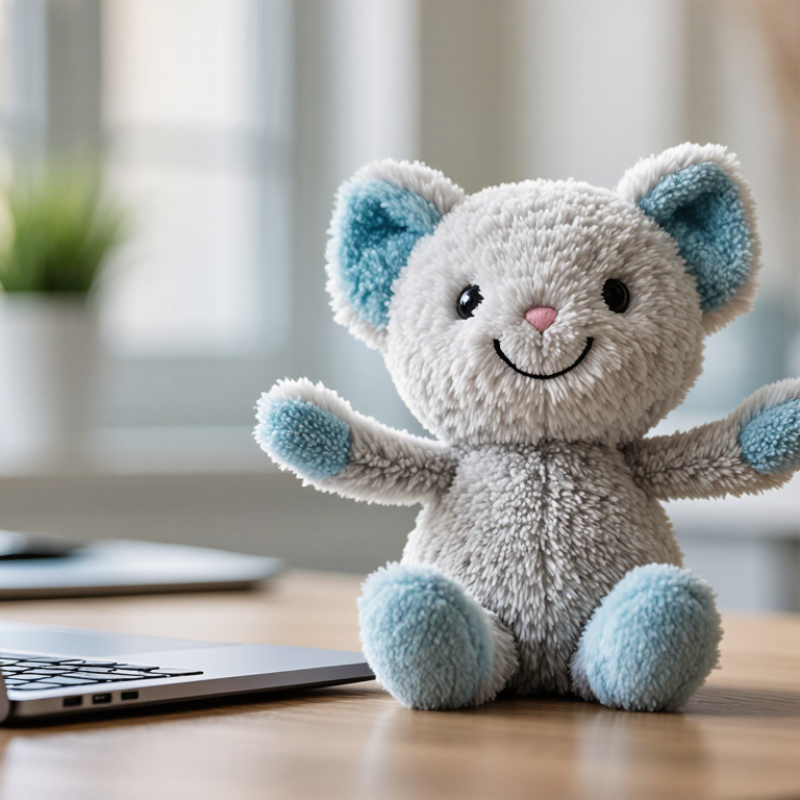
A Tech Brand Mascot Plush can make a familiar logo or character feel more personal. Instead of appearing only on a screen or product box, it becomes a soft object people can display, collect, or give as a gift. Imagine a small mascot sitting beside a laptop, its stitched expression adding color to a plain desk. The appeal is simple. It brings brand identity into everyday spaces.

Choosing one involves more than liking the character. Consider the fabric, stitching, size, and care instructions, especially if the plush will be handled often. Clear product details and consistent photos can help buyers judge what they are getting, though images never show every texture or seam. Check whether the design feels true to the brand without sacrificing comfort or durability. A cute look is not enough. Some plush toys may feel smaller or firmer than expected, and that is worth remembering.

For companies, creators, and fans, these toys can support recognition while offering a tangible keepsake. Their value depends on thoughtful design, reliable production, and an audience that genuinely connects with the mascot. Not every character needs a plush version. That is a useful question to ask. This introduction explores why Tech Brand Mascot Plush toys attract attention, what makes them appealing, and which practical details deserve a closer look before choosing one.
Why Choose Tech Brand Mascot Plush Toys?

What Are Tech Brand Mascot Plush Toys?

Why Choose Tech Brand Mascot Plush Toys?

Tech brand mascot plush toys are soft, physical characters created to represent a digital product, service, or technical community. They often use embroidered symbols, small accessories, and consistent colors. Unlike ordinary stuffed animals, these products translate abstract technology into something people can hold, photograph, and remember.

The definition is practical, but not perfect. A plush mascot may look friendly while still carrying complex product meaning. Its shape, fabric, stitching, and safety labeling must suit real users, including children and collectors. Grand View Research estimated the global plush toys market at about USD 10.1 billion in 2023, showing strong demand for tangible character products. The figure does not prove every technology mascot will succeed.

Design experience also matters. A compact plush with a wide face can sit beside a monitor, while a larger version works better at events. PPAI’s 2023 Promotional Products Consumer Study reported that 82% of consumers felt promotional products increased brand impressions. That finding supports tactile merchandise, though plush toys need clearer quality control than ordinary giveaways. Loose threads, weak seams, or confusing labels can damage trust quickly. Soft, but strategic. Research from the ASI Ad Impressions Study found that 85% of consumers remembered an advertiser after receiving a promotional product. A mascot plush can benefit from that memory effect, yet its message must remain recognizable without excessive decoration.

Why Choose Tech Brand Mascot Plush Toys?

Key consumer motivations for choosing mascot plush toys as memorable tech-themed products

Tech mascot plush toys combine emotional appeal, collectability, and everyday visibility. Their soft texture makes technology feel more approachable, while their compact format supports gifting, desk decoration, community engagement, and long-term product recognition.

How Do They Represent a Technology Brand?

A technology brand mascot plush turns abstract ideas into something people can recognize and remember. Its shape might echo a device, a signal, or a helpful digital assistant, while fabric colors carry the brand’s visual identity without requiring a logo. Small details matter. A stitched circuit pattern, a soft antenna, or a pocket-sized screen can suggest innovation while keeping the character approachable. These choices work best when they are consistent with the brand’s actual products and tone, rather than added simply to look futuristic.

The character also shows how a technology company wants people to feel when using its products. Rounded features and soft materials can make technical tools seem less intimidating, especially at events or during customer onboarding. A plush mascot can sit beside a laptop, appear in a welcome kit, or help explain a product feature in a more human way. But it cannot create trust by itself. If the product experience feels confusing, a friendly toy may seem like a distraction. That is worth considering. The most believable mascot reflects real qualities: clear communication, thoughtful design, and dependable support. Even then, not every customer will connect with a plush character, so its role should feel natural rather than forced.

What Benefits Do They Offer to Companies and Customers?

Why Choose Tech Brand Mascot Plush Toys?

What Benefits Do They Offer to Companies and Customers?

Tech brand mascot plush toys turn abstract software into something people can touch. Companies can use them at product launches, developer events, or onboarding desks. A soft mascot creates a friendly pause beside screens and cables. It can also make a technical message easier to remember.

Practical event experience shows that attendees often keep useful gifts longer than disposable items. That matters. A plush toy may remain on a home office shelf for years. Its presence can support recognition without demanding another advertisement. For customers, the value is emotional and practical. A well-made toy offers comfort during long testing sessions or remote workdays. It can become a small reminder of a helpful service experience.

Children may enjoy its shape, while adults often notice careful stitching and washable fabric. Clear safety information and durable materials build trust. Poor stuffing or loose parts can quickly damage that trust. Companies should test samples before ordering large quantities. They should also ask whether the mascot reflects real users, not only internal design preferences.

These products can strengthen community when used thoughtfully. A mascot may encourage conversations between engineers, customers, and new learners. It can also reward feedback after a workshop or trial. The idea is not perfect. Excess inventory creates waste, and oversized packaging feels careless. Better planning includes realistic quantities, recyclable packaging, and accessible designs. Feedback, repeat engagement, and actual use offer more insight than sales numbers alone.

How Are Tech Mascot Plush Toys Designed and Produced?

Tech mascot plush toys begin with a clear character brief, not a sewing machine. Designers define the mascot’s silhouette, expression, colors, and touch points. A strong design should remain recognizable at 15 centimeters. It should also feel comfortable in one hand.

Market data supports this tactile direction. Grand View Research estimated the global stuffed toys market at about 11.9 billion dollars in 2022. Its report projects a 7.5% compound annual growth rate from 2023 to 2030. However, market growth does not guarantee product quality. A clever digital character can become a dull plush toy if its proportions are copied without testing.

Production usually moves through sketches, digital sculpting, and a physical prototype. Pattern makers then translate curved forms into fabric panels. Short-pile polyester is common because it holds color and withstands repeated handling. Embroidery often performs better than small plastic parts for facial details. Samples need checks for seam strength, filling distribution, color accuracy, and loose components. Testing should follow applicable toy-safety requirements, including mechanical and flammability evaluations referenced in ASTM F963.

Details matter.

A slightly oversized head may create warmth, while stiff stuffing can make the mascot uncomfortable. Early samples often look too perfect on screen but awkward in real hands. That weakness deserves attention. Designers should test prototypes with children and adults, record repeated handling problems, and revise the pattern before larger production. The process is less glamorous than illustration, but it protects character, safety, and long-term usability.

Why Choose Tech Brand Mascot Plush Toys? — How Are Tech Mascot Plush Toys Designed and Produced?

Design or Production Stage Typical Considerations Why It Matters Common Output or Check
Purpose and audience Define whether the plush is intended for display, events, retail, or everyday play, and identify the intended age group. Purpose and age affect size, details, material selection, labeling, and applicable safety requirements. A written product brief describing use, audience, target size, and key features.
Character concept Translate recognizable technology-inspired shapes—such as a screen, signal, circuit pattern, or abstract device—into a friendly character. Distinctive shapes and expressions help the character remain recognizable when simplified as a soft toy. Concept sketches showing front, side, and back views.
Size and proportions Choose dimensions suited to the intended use. Small promotional plush toys may be around 10–15 cm tall; desk or display versions are often larger. Size influences material use, stitching complexity, packaging, shipping, and how the toy is handled. A dimensioned drawing with height, width, depth, and feature placement.
Materials and construction Common choices include polyester plush fabric and polyester fiber filling. Fabric pile, color, seams, and attachments should suit the design and intended use. Appropriate materials and secure construction support appearance, comfort, and durability. A material specification and construction notes for seams, embroidery, and attached parts.
Facial and technical details Embroidery or printed fabric can represent eyes, icons, buttons, and interface details. Small or hard components require particular care for products intended for children. Soft details can preserve a clean appearance while reducing reliance on separate rigid parts. A detail plan identifying embroidery, printing, appliqué, and any attached components.
Prototype and review Make a sample to assess proportions, color, softness, stitching, and how the design looks from multiple angles. A physical sample can reveal issues that are difficult to judge from a drawing alone. A reviewed prototype with documented revisions before production approval.
Manufacturing preparation Develop pattern pieces, cutting layouts, assembly instructions, and a color and material reference for production. Clear specifications help maintain consistency across units and reduce avoidable production variation. Approved patterns, material references, and assembly documentation.
Quality and safety checks Inspect stitching, seams, dimensions, color consistency, filling distribution, and attachment security. Requirements depend on the market and intended age group. Checks help identify defects and support compliance with relevant product-safety rules. Inspection records and, where required, testing and labeling documentation.
Packaging and delivery Select packaging that protects the plush during storage and transport, and include required product information where applicable. Suitable packaging helps keep the product clean and presentable from production through delivery. Packaging specification, final quantity check, and shipment preparation.
Why choose a mascot plush? A soft, tangible character can be used as a keepsake, event giveaway, display item, or part of a broader character collection. Its tactile format offers a different experience from digital graphics or conventional printed merchandise. A reusable character asset that can be adapted into multiple sizes or product formats.

Size examples are general planning guidance, not fixed industry standards. Material choices, production details, and safety requirements vary by design, intended audience, and destination market.

What Factors Matter When Choosing a Mascot Plush Toy?

Why Choose Tech Brand Mascot Plush Toys?

What Factors Matter When Choosing a Mascot Plush Toy?

A mascot plush toy should feel like a physical extension of a technology product. The face, colors, and shape must communicate the product’s personality quickly. Grand View Research estimated the global plush toys market at approximately USD 7.28 billion in 2023. This growth reflects strong demand for tactile, giftable products, but popularity alone does not guarantee a good choice.

Material quality matters first. Choose soft, durable fabric with secure stitching and washable surfaces. Check seams around the ears, limbs, and embroidered details. For younger audiences, avoid loose components and request independent safety testing against recognized toy standards, such as ISO 8124 or ASTM F963. Size also affects usability. A palm-sized mascot suits event giveaways, while a larger version creates a stronger desk presence. Production consistency is easy to overlook. A prototype may look charming, yet the final batch can have uneven embroidery or different colors.

Tips: Ask for a physical sample before ordering. Compare fabric softness, filling density, seam strength, and color under natural light. Review test documents, production tolerances, and packaging materials. Sustainability deserves attention, too. A 2023 report from the Ellen MacArthur Foundation emphasized designing products for longer use and better material recovery. Recycled fabric can help, but vague claims are not enough. Request clear material percentages and care instructions. My own practical view is less polished: the cutest mascot may still fail if it cannot sit upright, survive handling, or fit the intended audience.

FAQS

How can a technology mascot plush represent a technology company?

Its shape can suggest a device, signal, or digital assistant. Soft fabric makes technical ideas feel more familiar.

Which design details make a technology mascot recognizable?

A stitched circuit pattern, soft antenna, or tiny screen can suggest innovation. The character should remain recognizable at 15 centimeters.

How should colors and features support the character?

Colors should match the company’s visual style without depending on a logo. Rounded features can make the mascot feel less intimidating.

Where can a technology mascot plush be used?

It can sit beside a laptop, appear in a welcome kit, or support product explanations. Its role should feel natural.

Can a plush mascot create customer trust?

Not by itself. Confusing products and weak support can make a friendly mascot feel distracting.

How are these plush toys designed?

Designers usually create a character brief covering silhouette, expression, colors, and touch points. The plush should feel comfortable in one hand.

What materials and construction methods are commonly used?

Short-pile polyester holds color and handles repeated contact. Embroidery often works better than tiny plastic parts for facial details.

What testing should happen before production?

Teams should inspect seams, filling distribution, colors, and loose components. Applicable toy-safety checks should include mechanical and flammability testing.

Why are physical prototypes important?

A digital model may look perfect but feel awkward in real hands. That failure is useful.

How can designers improve an early prototype?

They can test it with children and adults, record handling problems, and revise the pattern. Details matter.

Conclusion

Tech Brand Mascot Plush toys are soft, custom-designed figures that turn a technology company’s mascot, product idea, or digital personality into a tangible keepsake. Their colors, shapes, and details can reflect a brand’s character and make abstract technology feel more friendly and approachable. At events, in offices, or at home, these plush toys can help people remember a company and create a more personal connection with its products and services.

For companies, a mascot plush can support recognition, encourage conversation, and serve as a thoughtful promotional gift. Customers may enjoy collecting or displaying a well-made design that feels useful beyond a single campaign. Creating one involves developing a suitable concept, selecting safe and comfortable materials, refining the appearance, and checking construction quality. When choosing a Tech Brand Mascot Plush, consider how clearly it represents the intended identity, its size and softness, material durability, stitching and finish, production consistency, and whether it suits the audience and occasion.

Isabella

Isabella

Isabella is a dedicated marketing professional with a strong understanding of the company’s products, customers, and evolving market needs. She combines strategic insight, clear communication, and practical industry knowledge to create content that helps readers make informed decisions. As a......