Choosing among China’s top 10 Custom Advertising Pillow suppliers requires more than comparing catalog photos and factory prices. A pillow may look attractive online, yet feel thin, smell strongly of ink, or lose its shape after several uses. Real quality appears in the details: dense stitching, even filling, sharp logo printing, washable covers, and packaging that prevents crushing during delivery.
Seth Godin, a respected marketing expert, said, “Marketing is no longer about the stuff that you make, but about the stories you tell.” A well-designed Custom Advertising Pillow supports that story in offices, hotels, exhibitions, lounges, and promotional campaigns. It stays visible on a sofa or guest bed, creating repeated brand exposure without demanding attention.
This guide examines ten Chinese suppliers through practical purchasing criteria. These include customization capability, fabric selection, embroidery and digital printing, sample accuracy, minimum order quantity, production consistency, export experience, communication, and delivery control. Certifications and testing documents also matter, especially when pillows touch skin or enter hospitality environments. However, no ranking is perfect. Supplier strengths can change with material availability, seasonal capacity, or a new production team. A factory with excellent samples may still disappoint under a large order.
Buyers should request a physical sample, confirm dimensions, inspect seams, and test the printed surface before approval. Clear artwork files and written specifications reduce avoidable mistakes. The best supplier is not always the cheapest one. It is the partner that turns a promotional idea into a durable, comfortable, and recognizable Custom Advertising Pillow.
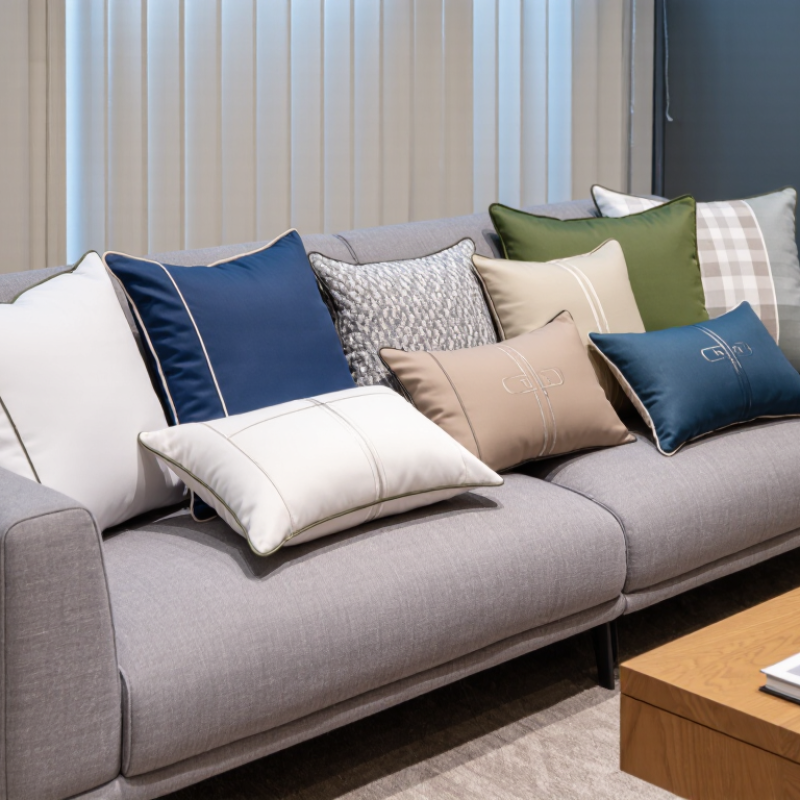
Custom advertising pillows are textile products printed or embroidered with a company logo, campaign message, or event artwork. They turn ordinary seating into visible promotional space. Common formats include square cushions, travel pillows, lumbar supports, and outdoor versions with water-resistant covers.
Their value is practical. Businesses place them in reception areas, hotel lounges, restaurants, trade-show booths, and staff rooms. A guest may notice a pillow several times during a short visit. That repeated exposure can support brand recall without interrupting conversation. PPAI industry research estimated promotional-product sales at roughly 26 billion dollars in 2023. Soft goods remain useful because people can touch, move, and reuse them.
Effective customization requires more than printing a large logo. Designers should consider fabric texture, seam placement, color contrast, filling density, and washing instructions. A small message may work better on a lumbar pillow than a crowded full-color design. Suppliers should provide material specifications, color samples, production proofs, and inspection records. These details reduce inconsistent stitching and faded graphics.
The weak point is measurement. Pillow impressions are difficult to count. A QR code or campaign-specific message can help track responses, but it cannot measure every conversation. I have also found that oversized pillows look impressive in photos but can become inconvenient in storage. Practical dimensions usually perform better. Sustainability claims need evidence, including recycled-content percentages and packaging details, rather than vague marketing language.
Custom advertising pillows are branded cushions or pillow covers printed with logos, promotional messages, event graphics, or product images. They are commonly used in hotels, retail displays, offices, trade shows, hospitality spaces, and promotional campaigns.
The chart compares widely used pillow formats by nominal surface area. Larger formats provide more printable space for advertising graphics, while smaller formats are easier to distribute as promotional merchandise.
China Top 10 Custom Advertising Pillow Suppliers?
When evaluating China’s custom advertising pillow suppliers, inspect more than catalog photos. Ask for factory videos, sample measurements, filling details, and stitching close-ups. A reliable supplier should explain fabric weight, printing method, color tolerance, and packaging clearly. Request a pre-production sample before approving a large order. Small flaws often appear around zippers, corners, and embroidered lettering.
The 2023 PPAI consumer study reported that 83% of recipients enjoy promotional products, while 76% could recall the advertiser. This supports pillows as useful, memorable promotional items, but only when they remain comfortable and durable. Compare suppliers through measurable evidence. Review ISO 9001 quality procedures, batch inspection records, material test reports, and production capacity. Confirm whether the quoted price includes sampling, artwork adjustment, packaging, and shipping documents. A low quote can still be an expensive mistake. I have seen attractive samples hide uneven filling or weak seams. That risk deserves attention.
Tips: Choose a supplier offering traceable materials and written tolerances. Test colorfastness, odor, seam strength, and wash performance. Ask for a defect-handling policy with replacement timelines. Check communication speed during sampling. Slow replies before payment may signal larger problems later. Also compare three quotations using identical specifications. Otherwise, price comparisons become misleading. Recheck carton dimensions, because oversized packaging can raise freight costs sharply.
China’s Top 10 Custom Advertising Pillow Suppliers are often compared by more than price. Buyers should examine production experience, material control, printing accuracy, and export reliability. A capable supplier can produce logo pillows for hotels, exhibitions, retail campaigns, and employee events. Cotton, velvet, and polyester covers each create a different touch and visual effect.
During supplier evaluation, request a physical sample before confirming bulk production. Check the zipper, seam strength, filling density, and color consistency under natural light. Ask for fabric specifications, production lead time, packaging details, and inspection procedures. Suppliers with in-house embroidery or digital printing may offer better control over small design changes. Clear communication also matters when artwork includes fine lettering or multiple colors.
Samples reveal more. A low quoted price may hide thin fabric, uneven filling, or weak stitching. I would compare at least three quotations and record every included service. Some suppliers provide useful pre-production photos, while others explain problems only after payment. That difference deserves attention. Certification documents can support material claims, but buyers should verify their scope and validity. Delivery performance can still vary during peak seasons, so a written schedule and inspection plan are practical safeguards. The ranking of China’s top ten suppliers may change by project, because the best choice depends on quantity, customization, budget, and required delivery date.
China’s top custom advertising pillow suppliers usually offer more than logo printing. They develop samples from sketches, photos, or simple measurements. Buyers can select cotton, velvet, canvas, recycled polyester, or flame-resistant fabric where regulations require it. Printing options include dye sublimation, screen printing, heat transfer, and embroidery. Embroidery gives a raised, tactile finish. It also costs more on detailed artwork.
The strongest factories support custom shapes, piping, zippers, inner labels, and multiple filling densities. Some produce square pillows, neck cushions, mascot forms, or thin promotional cushions for events. A 2024 Promotional Products Association International industry report valued the promotional products market at about 26.1 billion dollars in 2023. That scale increases demand for faster sampling and consistent repeat production.
Packaging services may include individual polybags, paper sleeves, printed cartons, barcode labels, and export cartons. Suppliers can also arrange quantity-based production and shipment preparation. A 2024 textile industry analysis reported continued growth in digital textile printing, supported by shorter runs and more personalized designs. This suits advertising pillows with changing campaigns.
Still, digital printing may show shade variation between fabric batches. A reliable supplier should disclose tolerance limits, inspect random units, and provide fabric and ink documentation. One overlooked detail is compression during shipping; overly tight packing can leave permanent creases.
Choosing among China’s top custom advertising pillow suppliers requires more than comparing prices. A reliable supplier should understand your campaign goal, audience, and delivery schedule. Ask for fabric samples, print proofs, and photos of finished orders. A pillow may look attractive online but feel thin in person. That difference can affect customer trust.
Tips: Request one physical sample before placing a bulk order. Check stitching, filling, color accuracy, zipper strength, and packaging. Confirm the minimum order quantity and production timeline in writing. Ask how the supplier handles defective items. Clear answers matter. Fast replies are useful, but detailed replies are better.
During supplier evaluation, review factory experience, quality-control procedures, and export documentation. A capable team should explain material options without using confusing promises. It should also provide realistic delivery estimates. Low prices can hide weak filling or inconsistent printing. I would not choose a supplier from a polished catalog alone. A small trial order offers stronger evidence than a long sales presentation. Still, even a trial order cannot reveal every seasonal delay or communication problem. Keep approved samples, specifications, and inspection requirements together. This creates a dependable reference for later production.
They are cushions printed or embroidered with a logo, message, or event design. They turn seating into promotional space.
Common locations include reception areas, hotel lounges, restaurants, trade-show booths, and staff rooms. Outdoor versions need water-resistant covers.
Guests may see and touch them several times during a visit. Repeated exposure can improve memory without interrupting conversation.
Check fabric texture, color contrast, seam placement, filling density, and washing instructions. A simple design often works better.
Request fabric samples, measurements, print proofs, and stitching close-ups. Inspect corners, zippers, embroidery, and filling carefully.
Yes. One sample can reveal thin fabric, uneven filling, weak seams, or inaccurate colors. Photos are not enough.
Ask for material specifications, color tolerances, production capacity, packaging details, and inspection records. Written information prevents confusion later.
Use identical specifications for at least three quotations. Confirm sampling, artwork changes, packaging, and shipping documents.
They may look impressive in photographs but require extra storage space. Large cartons can also increase freight costs sharply.
A QR code or campaign-specific message can track some responses. It cannot measure every conversation or impression.
This guide explains what a Custom Advertising Pillow is and how businesses use it as a practical promotional product for events, retail displays, hospitality spaces, corporate gifts, and marketing campaigns. It discusses how pillows can present logos, slogans, seasonal artwork, or campaign messages through printed covers, embroidered details, customized shapes, and different filling options. The article also outlines the main factors for evaluating suppliers in China, including product quality, material safety, production capacity, customization flexibility, communication, sample approval, pricing, packaging, and delivery reliability.
The guide introduces ten leading types of China-based suppliers without focusing on brand names, helping readers compare their manufacturing strengths and service capabilities. It also explains common customization and production services, from artwork preparation and prototype development to bulk manufacturing and quality inspection. Finally, it offers a practical selection framework so businesses can match a supplier’s experience, minimum order quantity, lead time, budget, and quality standards with the specific goals of their advertising campaign.