Need a quote? Call us
0933 337 775
Get a Quote
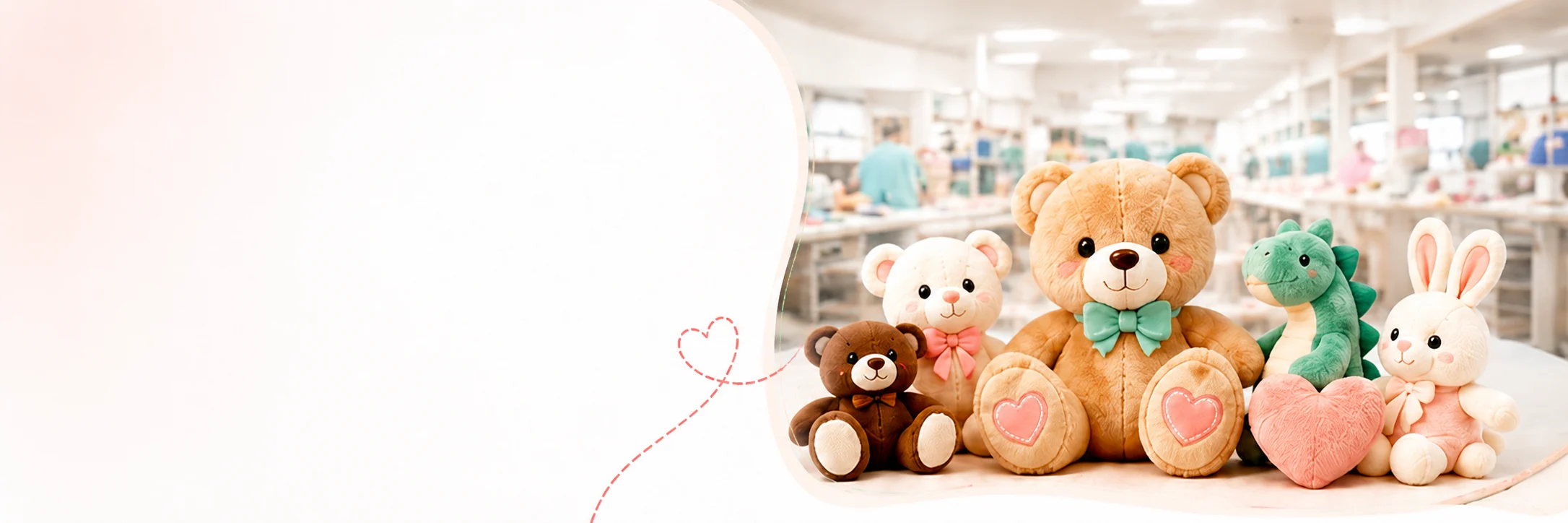
Ordering Custom Game Character Plush Toys is more than sending a character image to a manufacturer. A successful order begins with a clear design brief, accurate measurements, and permission to use the artwork. Decide whether you need a small desk plush, a large display piece, or a production-ready product. Specify height, fabric type, embroidery details, stuffing firmness, clothing layers, accessories, and packaging requirements. A front view alone may not be enough.
Details matter.
An experienced supplier should explain sampling, material choices, stitching limits, minimum order quantities, pricing, and production schedules. Ask for close-up photos of the prototype, especially around facial embroidery, small accessories, and seams. Soft minky fabric may suit rounded characters, while felt can create sharper decorative details. Request a written quotation that separates sample costs, unit prices, shipping, and revisions. Confirm the final dimensions after stuffing, because a plush can become wider than the drawing suggests. That small difference affects packaging and display space.
Do not rush approval. Compare the prototype with the original reference under normal lighting. Colors may appear different on a phone screen. A common mistake is focusing on the face while ignoring the back, feet, or hidden fasteners. It is also wise to clarify whether the design is original, licensed, or authorized for manufacturing. Reliable suppliers should provide consistent communication and quality checks, but no process is perfect. A missed stitch or slightly uneven seam can still appear. This guide explains how to review options, communicate revisions, control costs, and place a safer, more informed order for Custom Game Character Plush Toys.
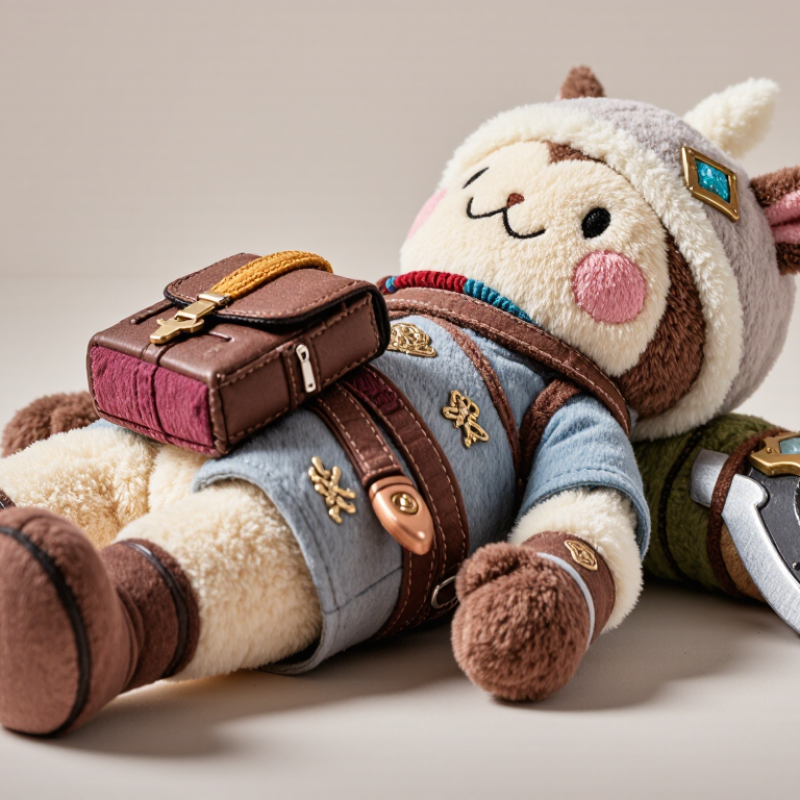
How to Order Custom Game Character Plush Toys?
Define the character before discussing fabric or pricing. Provide front, side, and back references, including facial expressions, colors, accessories, and signature shapes. A character sheet prevents small details from changing during sampling. In production reviews, I recommend listing “must keep” and “can adjust” features. This distinction saves time, although teams often overlook it.
Choose the finished size next. A 15-centimeter plush suits desks and collector shelves, while a 30-centimeter version offers stronger visual impact. Size affects stuffing, embroidery scale, packaging, shipping weight, and final cost. Grand View Research estimated the global stuffed toys market at USD 11.85 billion in 2022, with continued growth through 2030. The report signals strong demand, but it does not guarantee success for every design. Materials should include soft-touch fabric, durable stitching, safe filling, and colorfast embroidery. Request a physical prototype. Digital renders can hide awkward seams and oversized features. I learned that hard way.
Tips: Prepare a specification sheet with character dimensions, fabric type, filling density, eye construction, seam placement, labels, and packaging needs. Ask the manufacturer to confirm testing against relevant toy-safety standards, such as ISO 8124 or ASTM F963. Also request wash tests and pull-strength checks for attached parts. Keep one approved sample as the production reference. Even then, minor differences may appear between batches. That risk deserves honest discussion.
Do not choose only by the lowest quote. Ask for a written production plan and material details. Request recent sample photos and a physical prototype. A dependable factory explains patterns, embroidery, stuffing, and seams clearly. Plain answers matter.
Provide front, side, and back artwork. Add the target height, fabric type, filling softness, and color references. Describe embroidery areas, accessories, and acceptable size differences. A measured character sheet reduces confusion. Tiny curves matter.
Size, quantity, pattern complexity, fabric, packaging, and inspection affect pricing. Request a detailed quotation instead of one unit price. Confirm sampling, pattern, shipping, payment, and revision fees. My early estimate missed packaging costs. That changed everything.
A physical sample reveals problems that photographs may hide. Check proportions, seams, colors, stuffing, facial symmetry, and standing stability. Compare it with the artwork under natural light. Photos can make colors look brighter. They can flatten stuffing.
Ask how workers check fabric, loose threads, embroidery, and filling weight. Request current safety test reports for your sales markets. Confirm batch records and inspection procedures. Compare the approved sample with the delivered shipment. I once trusted photos too much.
Review the digital proof from every angle. Confirm height, texture, colors, embroidery, accessories, and filling firmness. Mark corrections directly on dated images. Approve only after each change appears in the revised file. A crooked eye changes the expression.
Separate sampling, revisions, material preparation, manufacturing, inspection, and delivery. Request estimated dates for every stage. Leave time for one unexpected correction. Experienced teams still misread small curves. Deadlines can slip.
Confirm quantity, carton dimensions, shipping method, destination, and dispatch date. Request protective packaging for embroidery and removable parts. Before dispatch, ask for packed-carton photos and random inspection results. Keep artwork, approvals, invoices, and tracking information together. Check the address twice.
Ordering Custom Game Character Plush Toys begins with clearly defining the character and product specifications. Decide on the character’s appearance, expression, colors, materials, dimensions, filling, accessories, and any special features. Prepare reference artwork, sketches, color guides, and written customization requirements so the manufacturer can understand the design accurately. The more complete the information, the easier it will be to maintain the character’s identity throughout production.
Next, choose a reliable custom plush toy manufacturer with suitable experience, communication, and quality standards. Request a detailed quotation covering sampling, materials, production quantities, packaging, and delivery. Carefully review the pricing, prototype sample, timeline, and production details, then provide organized feedback for revisions. Before mass production begins, approve the final design, confirm all specifications, and ensure the delivery arrangements are clear. This step-by-step process helps reduce misunderstandings, control costs, and achieve plush toys that closely match the intended game character.