
Need a quote? Call us
0933 337 775
Get a Quote
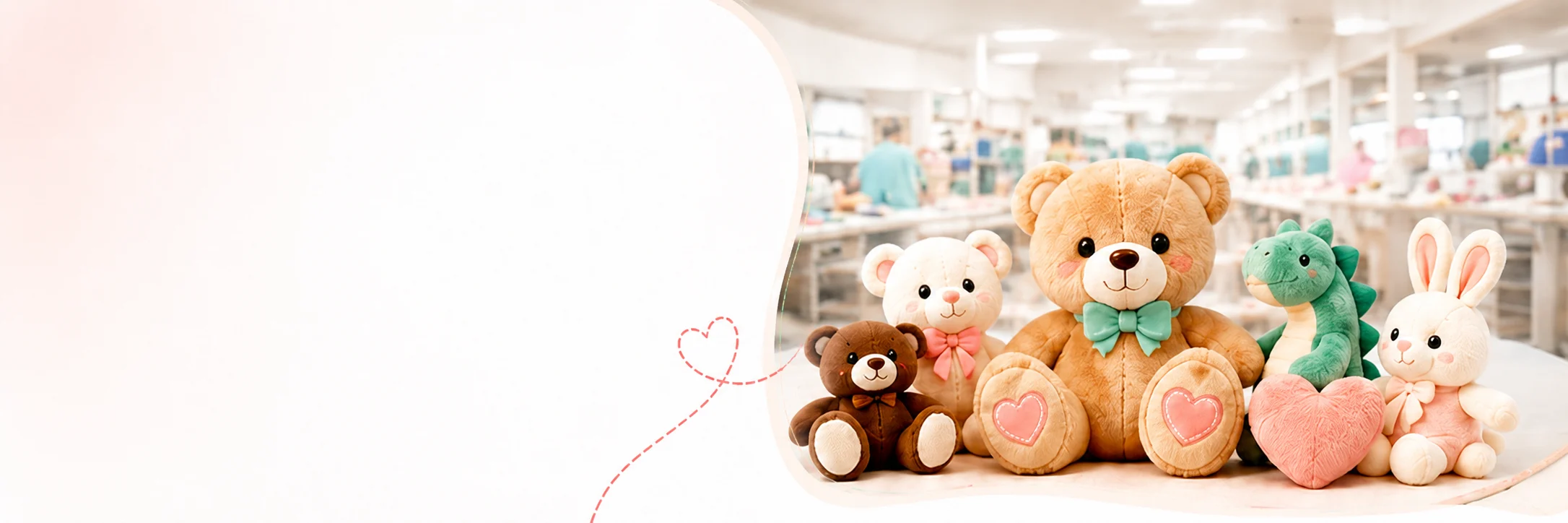
A buyer looking for Promotional Plush Toys in bulk needs more than an attractive product photo. The right supplier should explain how a design moves from artwork to sample, production, inspection, and packing. China offers a broad manufacturing base, but supplier capabilities can vary widely. Details matter.
For custom orders, confirm fabric, filling, dimensions, stitching, color matching, labels, and packaging before approving a sample. Ask how the factory checks materials and finished units, and request relevant test documents for the product and intended market. A sample can reveal uneven seams, loose threads, or colors that differ from the artwork. Not every issue appears in a quotation. Keep written records of approved specifications and changes.
Bulk production also depends on realistic minimum order quantities, lead times, payment terms, and shipping arrangements. Ask who handles quality checks and what happens if goods do not match the approved sample. Compare quotes carefully; a low unit price may exclude packaging, inspection, or freight. This guide explores how to assess China-based suppliers, compare their services, and reduce avoidable surprises before placing a large order. No checklist removes every risk, and that is worth remembering. A careful process makes the decision clearer, even when timelines or production details change.
What Defines a Promotional Plush Toy Supplier in China?
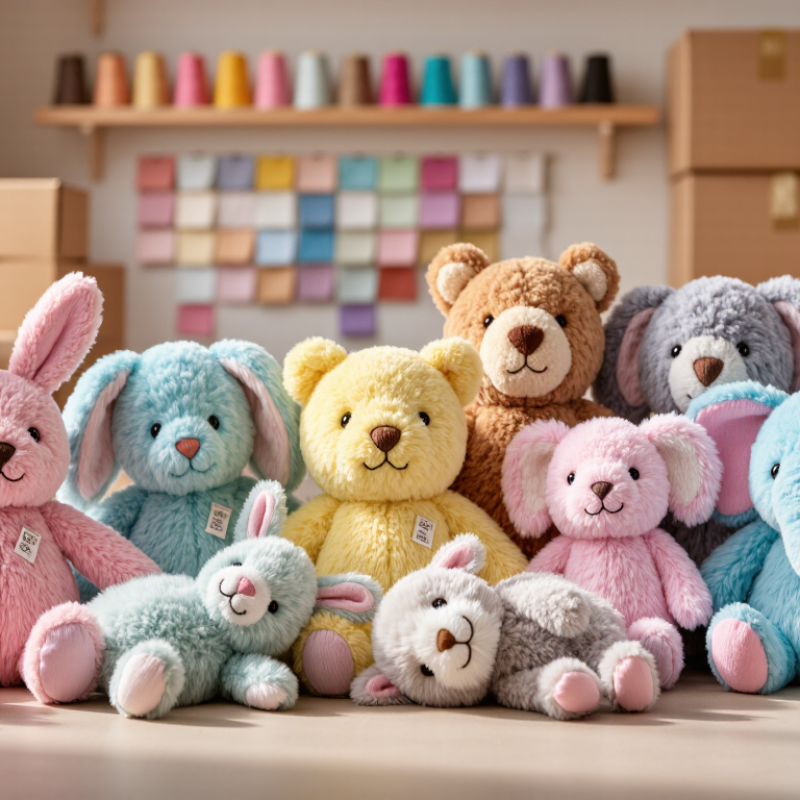
A capable supplier does more than sew a logo onto a soft toy. It can explain how fabric, filling, embroidery, and stitching are controlled from sample approval to bulk production. Ask for material specifications, production photos, inspection records, and a clear process for handling defects. Small details matter: loose threads near an embroidered eye can signal rushed finishing.
Market conditions make planning important. Grand View Research estimated the global stuffed and plush toys market at USD 11.7 billion in 2023, with projected annual growth of 7.2% through 2030. Circana reported that U.S. toy sales fell 8% in 2023 compared with 2022. These figures do not predict demand for any single campaign, but they show why suppliers should discuss order quantities and lead times realistically.
Samples help, but they can mislead. A polished sample does not prove every unit will match. Request a production sample, confirm packaging dimensions, and agree on inspection points before placing a bulk order. Ask how the supplier tracks revisions; a changed fabric shade can be easy to miss across email threads. No process is perfect. A reliable partner admits limits, documents decisions, and flags delays early instead of promising everything.
| China Top Promotional Plush Toys Supplier for Bulk Orders? - What Defines a Promotional Plush Toy Supplier in China? | |||
|---|---|---|---|
| Evaluation Dimension | What a Capable Supplier Should Provide | Evidence to Request | Why It Matters for Bulk Orders |
| Custom Design and Sampling | Support for translating artwork or a product brief into a plush-toy design, including material, color, decoration, and dimension details. | A written specification, sample approval process, and a physical pre-production sample where appropriate. | Approved specifications help align production with the intended design before a larger quantity is made. |
| Materials and Component Traceability | Clear information about fabrics, filling, threads, accessories, and any labels or packaging used in the product. | Material descriptions, component records, and documentation relevant to the destination market and product. | Consistent, documented inputs make it easier to review changes and investigate quality issues. |
| Product Safety and Market Compliance | A process for identifying applicable toy-safety and chemical requirements based on the product’s intended users and sales destination. | Relevant, current test reports or compliance documents for the specific product and market. Examples of standards or rules may include EN 71 for the EU market and ASTM F963 and applicable CPSIA requirements for the US market. | Requirements vary by market, product, and age grading; documentation should match the actual item rather than a generic company claim. |
| Production Quality Controls | Defined checks for workmanship, dimensions, appearance, seams, attachments, and packing during production and before shipment. | A written inspection checklist, defect criteria, and records from applicable production or final inspections. | Consistent inspection criteria help identify defects before goods are packed and dispatched. |
| Bulk Production Planning | A documented production schedule that identifies key stages, dependencies, and the conditions that may affect delivery timing. | A project timeline covering sample approval, material preparation, production, inspection, and packing. | Bulk orders involve multiple production steps; a visible schedule supports coordination and more realistic delivery planning. |
| Order Quantity and Cost Clarity | Written quotation details explaining the order quantity assumptions, product specifications, packaging, and any setup or sampling charges. | An itemized quotation and written confirmation of the agreed specifications and commercial terms. | Clear terms make quotations easier to compare and reduce the chance of differing assumptions during production. |
| Packaging and Labeling | Packaging and label options that can be reviewed against the buyer’s requirements and the rules applicable to the destination market. | Packaging specifications or artwork proofs approved before production, plus applicable labeling details. | Packaging and labeling are part of the finished order and may affect handling, presentation, and market readiness. |
| Communication and Change Management | A clear point of contact and a documented process for confirming artwork, specifications, approvals, and requested changes. | Written confirmations of revisions, approvals, and agreed production details. | Reliable documentation helps keep the buyer and supplier aligned throughout a custom bulk order. |
Requirements depend on the toy’s age group, materials, design, and destination market. Ask an independent compliance professional which tests apply. One report may miss a new fabric color or production batch.
Check the approved artwork, measurements, fabric, filling, stitching, and packaging. Look closely at the eyes and seams around the ears. Small details matter.
Review fabric, stuffing, thread, printed details, and attached parts. Embroidered features can reduce risks from detachable pieces. Check for loose fibers, strong odors, and rough seams.
Request separate costs for samples, tooling, packaging, and delivery. Ask how materials, decoration, and order volume affect the price. A low unit price can hide packaging waste.
Minimums may apply to each design, size, or color. For example, each color variation might require its own 500-piece minimum. Confirm this before setting your budget.
Review recent product photos, material details, production records, and sample costs. Ask about inspection stages and realistic timelines. Fast replies alone prove little.
Inspect random cartons and several toys for seams, stitching, odor, and surface quality. Compare them with the approved sample. Lighting can make color differences easy to miss.
Keep approved samples, written specifications, batch numbers, material records, and corrective-action photos. Confirm replacement terms and payment milestones in writing. No checklist is perfect.
Choosing the right China supplier for bulk Promotional Plush Toys requires more than comparing unit prices. A reliable supplier should understand promotional product goals, provide flexible design and sampling services, and manage the full manufacturing process from material selection and pattern development to stitching, filling, and final inspection. Clear communication is essential for confirming artwork, dimensions, colors, packaging, delivery schedules, and order quantities before production begins.
Quality and safety should remain central throughout the project. Buyers should ask about suitable fabrics, secure components, non-toxic fillings, durability testing, and compliance with the safety requirements of the intended market. Pricing and minimum order quantities often depend on the toy’s size, complexity, customization level, packaging, and production volume. Before placing a bulk order, evaluate the supplier’s sample quality, production capacity, quality-control procedures, communication speed, documentation, and ability to meet deadlines. A careful comparison helps reduce risks and supports a consistent, cost-effective promotional campaign.