Custom Plush Toy Manufacturing Insights - ZOZO Plush Blog
Knowledge Hub & Manufacturing Insights

Plush Toy Manufacturing Insights & Blog

Expert guides, OEM/ODM production tips, and industry trends from Vietnam's leading custom plush manufacturer.

0%

Custom Plush Keychains are becoming small, tactile symbols of identity, fandom, and brand memory. A soft mascot clipped to a backpack can travel through airports, classrooms, conventions, and online unboxing videos. For global buyers, however, popularity is only one purchasing factor. Material consistency, embroidery precision, attachment strength, packaging, and documented safety testing matter just as much.

Grand View Research reports that the global stuffed and plush toys market is projected to expand at an 8.2% compound annual growth rate from 2024 to 2030. The Promotional Products Association International also valued North America’s promotional products industry at approximately $26.1 billion in 2023. These figures suggest strong commercial potential for branded plush accessories, although market categories differ and should not be compared too casually. That is an easy mistake.

Richard Gottlieb, CEO of Global Toy Experts, has often emphasized that “toys are mirrors of culture.” His observation applies directly here. A successful Custom Plush Keychains collection must reflect local colors, characters, humor, and gifting habits without losing recognizable brand identity. Buyers should request production samples, inspect stitching under stress, and verify fiber, dye, and component documentation before placing large orders.

The best 2026 options will not simply look cute. They will balance expressive design with dependable manufacturing. Tiny details matter. A loose clasp can damage trust. An oversized head can affect shipping costs. This guide examines leading styles, customization methods, supplier evaluation points, and practical quality considerations for international buyers. It also questions one uncomfortable assumption: personalization alone does not guarantee lasting value.
2026 Top Custom Plush Keychains for Global Buyers

What Custom Plush Keychains Are and Why Global Buyers Choose Them

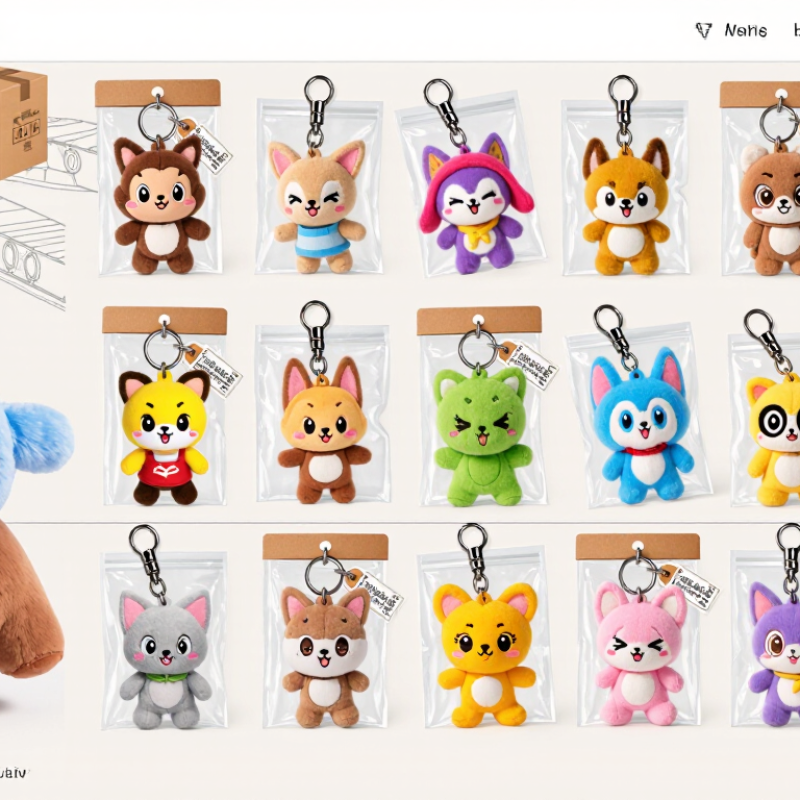
Custom plush keychains are small, soft accessories made from fabric, filling, thread, and a metal or plastic attachment. Buyers usually customize the shape, colors, embroidery, woven label, and packaging. A mascot may fit in one hand, with a stitched loop strong enough for a backpack zipper.

This format combines emotional appeal with practical visibility. According to Grand View Research, the global plush toys market was valued at about USD 7.5 billion in 2023. Plush keychains represent only a small segment, but their portable size reduces shipping volume and supports event distribution. The Promotional Products Association International also reports strong demand for useful, memorable promotional products. A tactile item can remain visible on a bag for months, not just during one event.

Global buyers often choose them for fan communities, retail gifts, tourism projects, and campaign merchandise. In my sourcing experience, buyers inspect embroidery density, seam strength, color consistency, and attachment testing before approving production. Small defects show quickly. A loose loop can damage trust. The category is not perfectly measured, because market reports rarely separate custom plush keychains from wider plush toys or promotional goods. That gap matters. Buyers should request material specifications, sample photos, packaging details, and safety documentation for the destination market. Cute is not enough. A soft finish can still hide weak stitching.

Key Design Options for Creating Custom Plush Keychains

2026 Top Custom Plush Keychains for Global Buyers

Key Design Options for Creating Custom Plush Keychains

Custom plush keychains in 2026 are small products with large design decisions. Global buyers often compare softness, durability, safety, and shipping weight before approving a sample. Start with a clear character silhouette. Rounded ears, short limbs, and a flat back usually survive daily handling better than thin protruding parts. Embroidery works well for facial details. Printed fabric can show gradients, but it may fade faster after repeated rubbing. I have learned that a cute sketch is not always a practical keychain.

Choose fabric by use, not appearance alone. Short-pile polyester gives clean edges and easier surface inspection. Longer pile feels cozy, yet loose fibers can hide stitching problems. Cotton filling creates a soft squeeze, while firmer filling helps the shape return after pressure. Use a securely attached metal loop and test the seam with repeated pulls. Keep small decorative pieces limited. They complicate inspection. Color matching needs a physical sample under natural light, because screens can distort pastel shades.

Size affects more than price. A 7–10 cm body can show detail without becoming bulky in a pocket. Ask for pre-production photos, measurement checks, and packaging samples. Request material composition and care guidance in clear language. One weakness remains: digital approvals cannot reveal every texture or odor. I would revise the design after handling the sample for several days. That extra pause may prevent uneven stitching, weak attachments, or a keychain that looks charming but ages poorly.

2026 Top Custom Plush Keychains for Global Buyers

Key design options for creating custom plush keychains

Finished size is one of the most important specifications for a custom plush keychain. Mini 5 cm designs are lightweight and suitable for compact accessories, while 8–10 cm formats provide more room for facial features, embroidery, printed details, and character styling. A 12 cm format offers the largest visual area but may require stronger hardware and packaging protection. These are practical size references, not market-share figures.

Materials, Safety Standards, and Quality Requirements

For global buyers, a plush keychain is small, but its safety workload is not. Polyester fabric should be colorfast, low-shedding, and free from restricted azo dyes. Stuffing needs clean, documented fiber content, without sharp fragments or strong chemical odors. Metal clips require checks for nickel release, rust resistance, and secure attachment. The European Commission’s Safety Gate 2024 report recorded 4,137 alerts across consumer products. Toys remain a frequently notified category, so “decorative” should not replace risk assessment.

Buyers should map requirements to EN 71, ISO 8124, ASTM F963, and applicable national rules. In the United States, CPSIA obligations may include third-party testing, tracking labels, and lead or phthalate limits. The U.S. CPSC’s 2023 report estimated 231,000 toy-related emergency-department injuries and reported 10 deaths. That number changes the buying conversation. A stitched eye can loosen after repeated pulling, even when the first sample looks perfect. Use pull tests, seam-strength checks, colorfastness tests, and metal detection where factory controls require it. Ask for batch-level reports, not only a polished sample.

Packaging also matters. Clear age grading, choking warnings, fiber content, and importer details must match the destination market. Factory reviews often reveal overlooked weaknesses. The clip may pass testing, while the clip-to-body seam remains poorly secured. That gap is easy to miss. Suppliers should retain material declarations, laboratory reports, production photos, and corrective-action records. Independent pre-shipment inspection adds useful friction. Still, no test report can rescue careless sewing discipline.

2026 Top Custom Plush Keychains for Global Buyers - Materials, Safety Standards, and Quality Requirements

Product / Material Option Typical Construction Recommended Use Key Quality Requirements Relevant Safety Considerations Buyer Verification Documents
Polyester Plush Polyester pile fabric, polyester fiber filling, sewn or embroidered details, metal or textile keychain loop General promotional items, character accessories, retail gift collections Even pile direction, secure seams, consistent stuffing density, colorfast embroidery, no exposed filling Small parts, accessible stuffing, sharp metal edges, flammability, restricted substances in dyes and coatings Material specification, production sample approval, laboratory test report, inspection report
Recycled Polyester Plush Post-consumer or post-industrial recycled polyester fabric and filling, supported by chain-of-custody records Sustainability-focused campaigns and buyers requesting recycled content Stable fabric weight, acceptable color consistency, durable seams, verified recycled-content percentage The recycled claim does not replace product safety testing; dyes, trims, fillings, and coatings still require assessment Recycled-content declaration, transaction certificates where applicable, chemical test report, quality inspection
Organic Cotton Plush Cotton outer fabric, polyester or cotton filling, embroidered or printed artwork, textile or metal attachment Natural-fiber product lines, premium packaging, baby-adjacent gift ranges when legally qualified Controlled shrinkage, tight stitching, low linting, print adhesion, accurate fiber labeling Organic fiber status does not automatically mean chemical-free or suitable for children; trims and surface treatments must also be tested Fiber-content test, organic certification or transaction evidence, applicable toy-safety report, inspection record
Velvet or Short-Pile Plush Dense polyester or polyester-blend surface, soft filling, heat-transfer or embroidered decoration Premium-feel keychains, limited-edition designs, fashion and event merchandise Uniform nap, resistance to shedding, secure decoration, smooth attachment hardware, accurate dimensions Loose fibers, detachable decorations, sharp hardware, and migration of chemicals from prints or coatings Pull-test results, abrasion or shedding assessment, chemical test report, approved golden sample
Embroidered Plush Stitched facial features and logos using polyester or rayon thread; minimal hard components Designs requiring a soft finish and reduced reliance on plastic parts No loose thread tails, clean stitch density, accurate artwork placement, secure backing, no needle damage Loose threads can create entanglement or snagging risks; embroidered parts must remain secure after use and laundering checks Needle and thread control record, seam-strength or pull-test report, visual inspection checklist
Printed Plush Plush fabric with screen-printed, digital, or heat-transfer artwork Full-color artwork, gradients, small production runs, promotional campaigns Color accuracy, registration control, rub resistance, adhesion, no cracking or peeling Ink and coating chemicals must comply with destination-market restrictions; artwork must not create detachable film Ink or coating declaration, restricted-substance test, colorfastness assessment, pre-production sample
Soft PVC Detail Plush Plush body combined with molded PVC badges, patches, tags, or decorative elements High-detail character accessories and designs needing raised or waterproof accents Strong bonding or stitching, flexible edges, accurate molding, no surface tackiness, consistent color Phthalates and other restricted substances may apply; detachable PVC parts require small-parts and attachment assessment PVC composition declaration, phthalate and heavy-metal testing where applicable, pull test, production inspection
Metal Keychain Hardware Split ring, lobster clasp, swivel hook, chain, rivet, or sewn fabric loop Everyday carrying applications requiring reliable attachment to bags, zippers, or keys Smooth edges, corrosion resistance, secure closure, adequate tensile strength, consistent plating Sharp points, pinch points, nickel release, coating flaking, and accidental detachment must be controlled Material declaration, nickel-release test where relevant, corrosion check, tensile or pull-test report

Global Safety and Compliance Reference Matrix

Destination Market Main Framework or Standard Typical Relevance to Plush Keychains Common Evidence Requested by Buyers Important Scope Note
European Union Toy Safety Directive 2009/48/EC; EN 71 series; REACH; General Product Safety Regulation (EU) 2023/988 where applicable Mechanical and physical properties, flammability, migration of certain elements, chemical restrictions, traceability, and product information Technical file, risk assessment, applicable EN 71 test reports, chemical compliance documents, labeling and traceability records Classification depends on intended use, design, age grading, and marketing claims; not every keychain is automatically a toy
United States Consumer Product Safety Improvement Act (CPSIA); 16 CFR Parts 1215, 1500 and related rules; ASTM F963 when classified as a toy Lead and phthalate limits, accessible component safety, tracking information, testing, and certification for covered products Children’s Product Certificate when required, third-party test report, tracking label details, age-grade rationale Requirements vary according to whether the item is intended primarily for children and whether it contains regulated components
Canada Canada Consumer Product Safety Act and applicable toy regulations, including SOR/2011-17 Toy safety, flammability, small parts, mechanical hazards, chemical restrictions, and labeling requirements Laboratory report, product specifications, risk assessment, bilingual labeling review where required Confirm current Canadian requirements for the product category and intended age group before shipment
United Kingdom UK Toy Safety Regulations 2011; designated UK standards such as BS EN 71 where applicable; UK REACH Mechanical and physical safety, flammability, chemical migration, conformity documentation, and labeling Declaration of Conformity, technical documentation, applicable test reports, importer and traceability information Use the current designated standards and confirm whether the product is a toy or a general consumer product
Australia and New Zealand Applicable mandatory toy safety requirements and AS/NZS ISO 8124 series where relevant Age grading, small parts, mechanical hazards, flammability, and material safety Current test report, product risk assessment, age-grade justification, labeling and supplier records Mandatory requirements can differ by product type; verify the applicable rule before making children’s product claims
China GB 6675 series for toy safety when the product is classified as a toy Physical and mechanical properties, flammability, migration of elements, and labeling Applicable GB test report, material records, inspection report, packaging and warning-label review Confirm the current edition and product classification before relying on a test report
International Reference ISO 8124 series International reference for toy safety covering mechanical, physical, flammability, and chemical-related topics Test report to the specific applicable part and edition, supported by product specifications ISO-based testing may support compliance but does not automatically replace mandatory national or regional requirements
Buyer control point: Regulatory obligations depend on destination, intended user, product function, age grading, materials, and marketing claims. Request testing against the current applicable requirements before mass production and shipment.

How to Select Suppliers and Manage International Production

2026 Top Custom Plush Keychains for Global Buyers

Selecting a supplier starts with evidence, not attractive sample photos. Grand View Research estimates the global stuffed toys market could grow at about 5.5% annually through 2030. That growth increases supplier pressure and production risk. Ask for factory capacity, material specifications, audit records, and recent export experience. A reliable supplier should provide a pre-production sample, fabric composition, filling details, and hardware specifications. Small details matter.

Test the sample physically. Pull the key ring, inspect embroidery, and measure the plush after washing. Request testing for applicable requirements, such as EN 71 or CPSIA, based on the destination market. Intertek’s 2024 consumer products research highlights rising expectations for traceability and product safety documentation. Do not accept generic certificates. Check whether documents match the exact fabric, dye, filling, and accessories used.

Production control needs written checkpoints. Approve a sealed sample before bulk manufacturing. Set tolerances for size, color, stitching, and attachment strength. Keep a buffer because ocean freight schedules remain unpredictable. DHL’s 2024 Global Connectedness Report shows international trade networks remain exposed to disruption. I have learned that a perfect sample can still hide factory mistakes. An independent pre-shipment inspection is useful, but it is not magic. Keep 5% to 10% extra units for defects and transit loss. The percentage may need adjustment.

Pricing, Ordering, Shipping, and Import Considerations

2026 Top Custom Plush Keychains for Global Buyers

Pricing depends on size, fabric, stuffing, attachments, and order quantity. A small 8-centimeter plush keychain may cost more when it includes woven labels, custom embroidery, or metal hardware. Request a quotation that separates sampling, tooling, unit cost, packaging, and shipping. Ask about minimum order quantities. A lower unit price can hide expensive setup charges. Confirm whether the sample fee is refundable.

Order a physical sample before approving bulk production. Check stitching, color accuracy, keyring strength, stuffing density, and package dimensions. Allow time for revisions. My early production estimates were often too optimistic because approval delays were ignored. A written specification prevents this mistake. Include artwork files, measurements, materials, tolerance limits, carton details, and inspection standards.

Shipping by air suits small urgent orders, but freight charges can rise sharply with bulky cartons. Sea freight usually costs less, yet it needs longer planning and port handling. Confirm the shipping term, insurance, tracking, and who manages customs clearance. Import costs may include duties, taxes, brokerage fees, and storage charges. Requirements differ by destination. Buyers should verify current rules for textile content, product labeling, children’s products, flammability, and small detachable parts. Prepare the commercial invoice, packing list, origin information, and accurate product description. Do not declare an unrealistically low value. It can cause delays, penalties, or rejected clearance.

FAQS

What are custom plush keychains made from?

They use fabric, soft filling, thread, and a metal or plastic attachment. A small mascot can fit in one hand.

Why do global buyers choose plush keychains?

They combine emotional appeal with practical visibility. A keychain may stay on a backpack for months. They also use less shipping space than larger plush products.

Where are custom plush keychains commonly used?

Buyers use them for fan communities, retail gifts, tourism projects, and campaign merchandise. They can support event distribution and customer engagement. The impact is useful, but not always easy to measure.

Which design details can buyers customize?

Buyers can change the shape, colors, embroidery, woven label, and packaging. The attachment should match the item’s weight and intended use. Cute is not enough.

How should buyers evaluate a supplier?

Ask for factory capacity, material details, audit records, and recent export experience. Request a pre-production sample before approving bulk manufacturing. Photos alone can mislead.

What should buyers inspect in a physical sample?

Pull the key ring and examine the loop carefully. Check embroidery density, seam strength, color consistency, and filling. Measure the plush after washing. Small defects show quickly.

Which safety documents should buyers request?

Request documents matching the destination market’s applicable product-safety requirements. Check the exact fabric, dye, filling, and accessories listed. Generic certificates are not enough.

How can buyers reduce production and shipping risks?

Approve a sealed sample and define tolerances for size, color, stitching, and attachment strength. Consider independent pre-shipment inspection. It is not magic. A buffer of 5% to 10% may cover defects or transit loss, but the percentage needs review.

Conclusion

Custom Plush Keychains are soft, portable promotional and personal accessories that combine practical use with memorable character design. Global buyers choose them for events, retail collections, gifts, and marketing campaigns because they can be customized in many shapes, colors, expressions, sizes, and attachment styles. Buyers should define the target audience, artwork, dimensions, embroidery or printing details, packaging, and logo placement before production. Thoughtful design planning helps ensure the finished keychains are attractive, durable, and consistent with the intended use.

Material selection and quality control are essential for international orders. Soft fabrics, secure stitching, reliable filling, and sturdy metal or plastic attachments should be evaluated, while safety testing and age-appropriate requirements must be confirmed for the destination market. When selecting a supplier, compare samples, production capacity, communication, inspection procedures, and experience with overseas shipping. Request clear quotations that explain sample fees, unit pricing, minimum order quantities, tooling, packaging, delivery terms, and estimated lead times. Buyers should also plan for customs documents, import duties, taxes, shipping methods, and possible delays to manage costs and delivery expectations effectively.

Isabella

Isabella

Isabella is a dedicated marketing professional with a strong understanding of the company’s products, customers, and evolving market needs. She combines strategic insight, clear communication, and practical industry knowledge to create content that helps readers make informed decisions. As a......